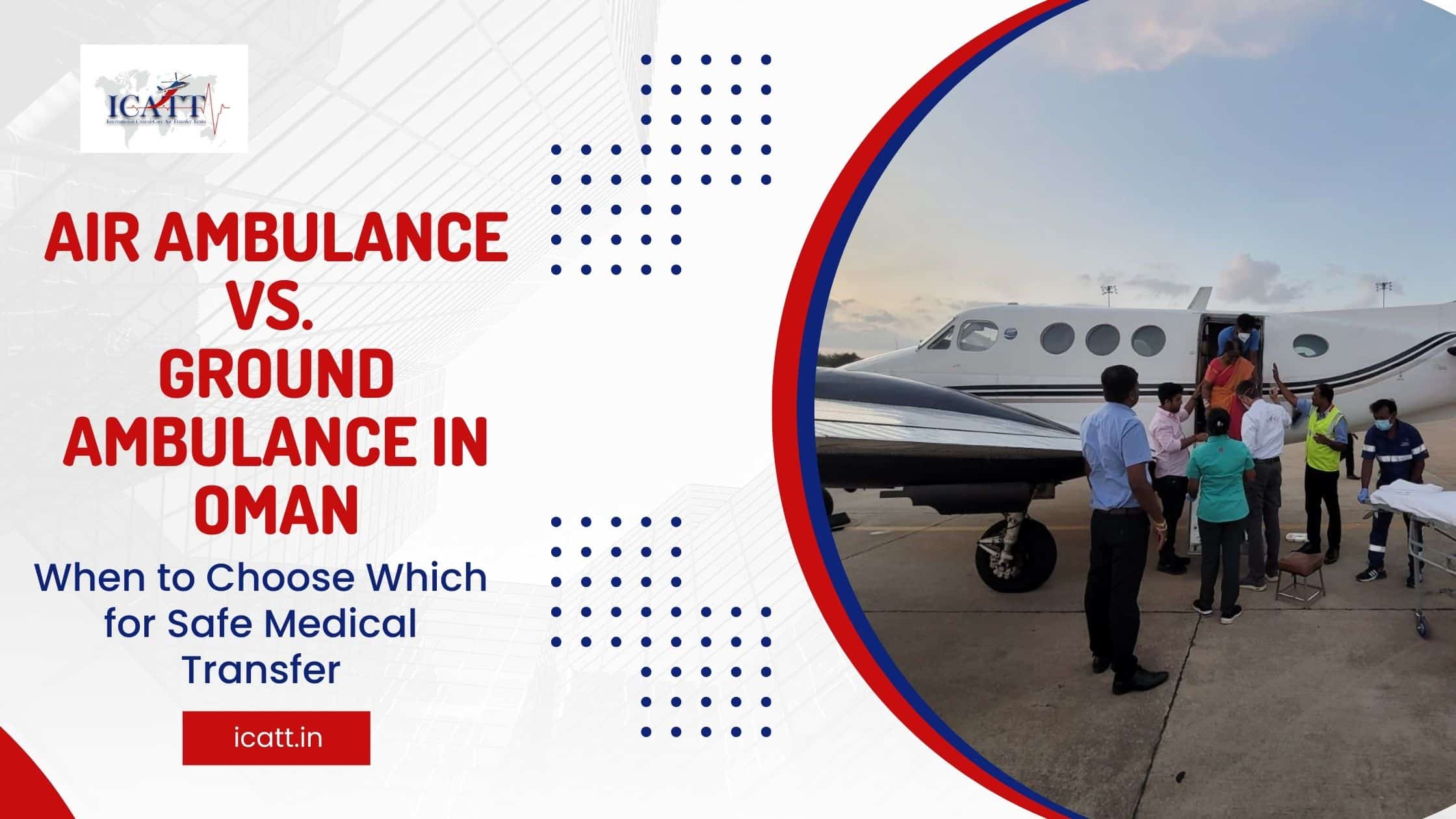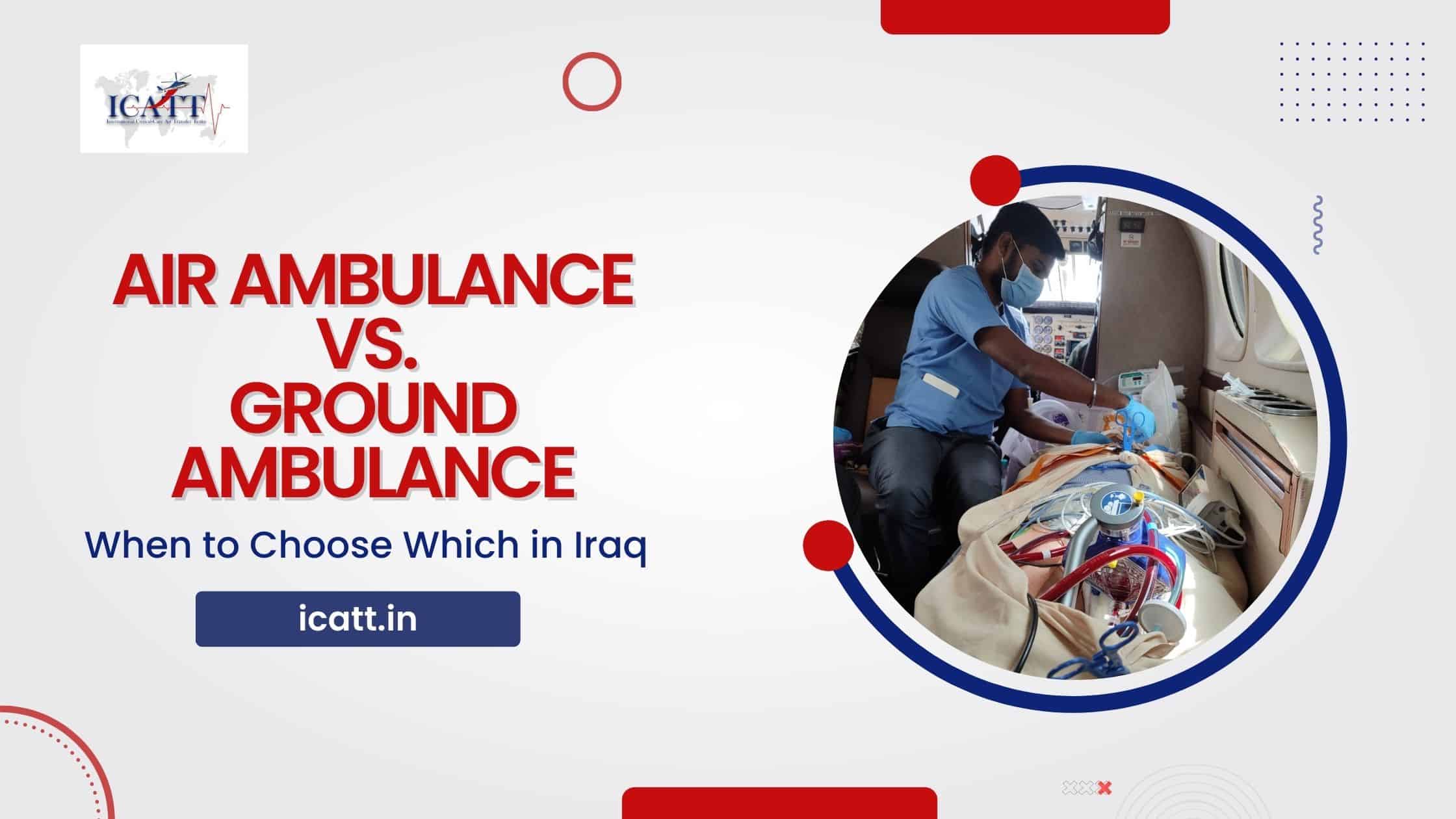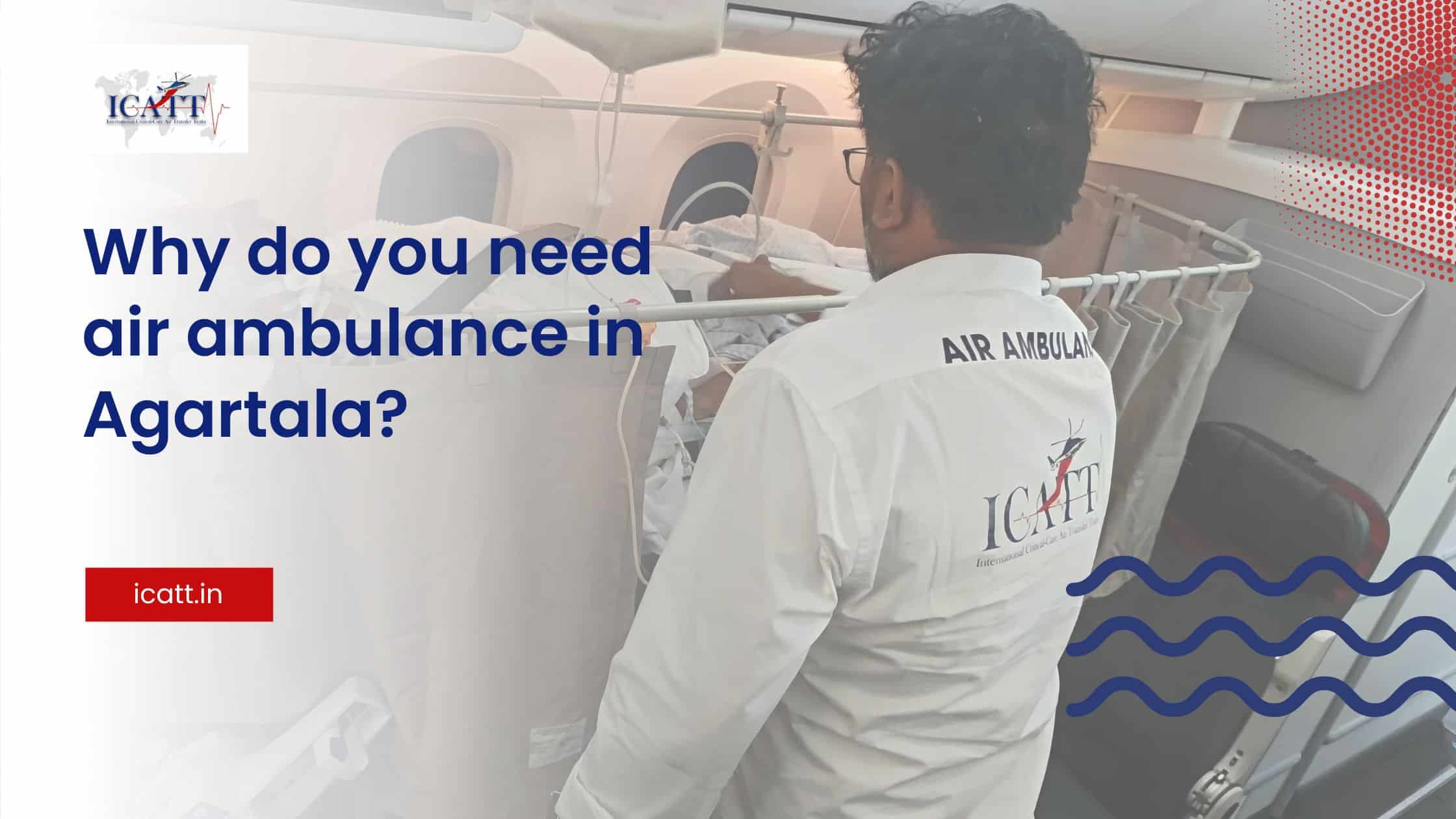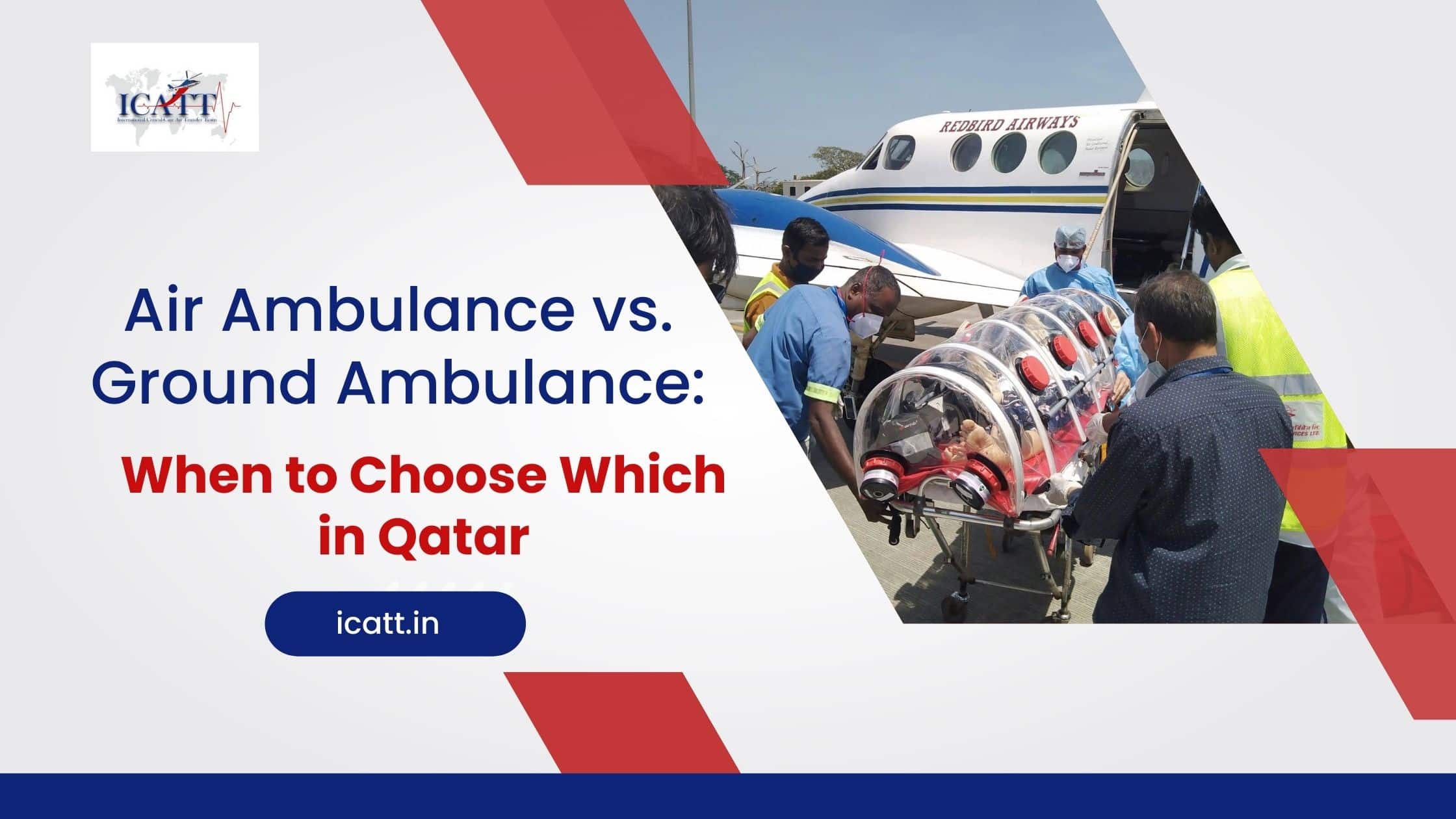
A medical emergency feels more dangerous in a conflict zone, especially during an ongoing war where conditions change rapidly. The patient needs treatment, but the situation outside keeps getting worse. Hospitals may still work, but safe movement becomes harder each day. Families in India often feel anxious because distance slows decisions. In such moments, emergency medical evacuation in India becomes a critical step toward safety.
The problem is not only medical during a crisis abroad. It also becomes a transport and coordination challenge. Families need to understand how to evacuate a sick person from a conflict zone to India without losing time. They also need a clear path for medical repatriation to India that keeps the patient safe during travel. A well-planned evacuation helps reduce delays and supports better care.
Read this blog to understand the process and plan a safe medical evacuation to India.
Why Medical Evacuation Becomes Urgent During Conflict
Here are the main reasons medical evacuation from conflict zone cases require fast and structured action:
- Local Treatment Can Become Unreliable Quickly
A patient may still be admitted to a functioning hospital abroad, but that does not guarantee consistent care. In unstable situations, access to medicines, specialists, and critical support services can change rapidly. Even internal transfers within the same country may become difficult. A patient who appears stable today may face increased risk tomorrow, which is why early evacuation planning becomes essential.
- Safe Movement Becomes Harder Over Time
Transport conditions can shift quickly during conflict or instability. Roads may become unsafe and airport access can be restricted without notice. Approvals and clearances may also take longer, adding further delays. Safe travel options become limited as time passes. It increases risk for the patient, which is why many families choose air ambulance support to India before travel becomes more difficult.
How to Evacuate a Sick Person From a Conflict Zone to India
Here are the essential steps for families asking how to evacuate a sick person from a conflict zone to India:
- Start with the Patient’s Current Medical Condition
Every decision should begin with a clear understanding of the patient’s present health status. Families need an updated medical summary from the treating doctor that outlines the diagnosis, current treatment, mobility limitations, and oxygen or critical care requirements. This clarity helps determine the safest and most appropriate route for transfer to India.
- Contact the Indian Embassy or Consulate Early
Consular support can play a crucial role during cross-border medical emergencies. Families should reach out to the nearest Indian Embassy or Consulate as early as possible. Early engagement helps fast-track documentation and supports coordination during restricted movement. It also provides an official channel of assistance when local conditions become unpredictable.
- Choose Transport Based on Medical Needs
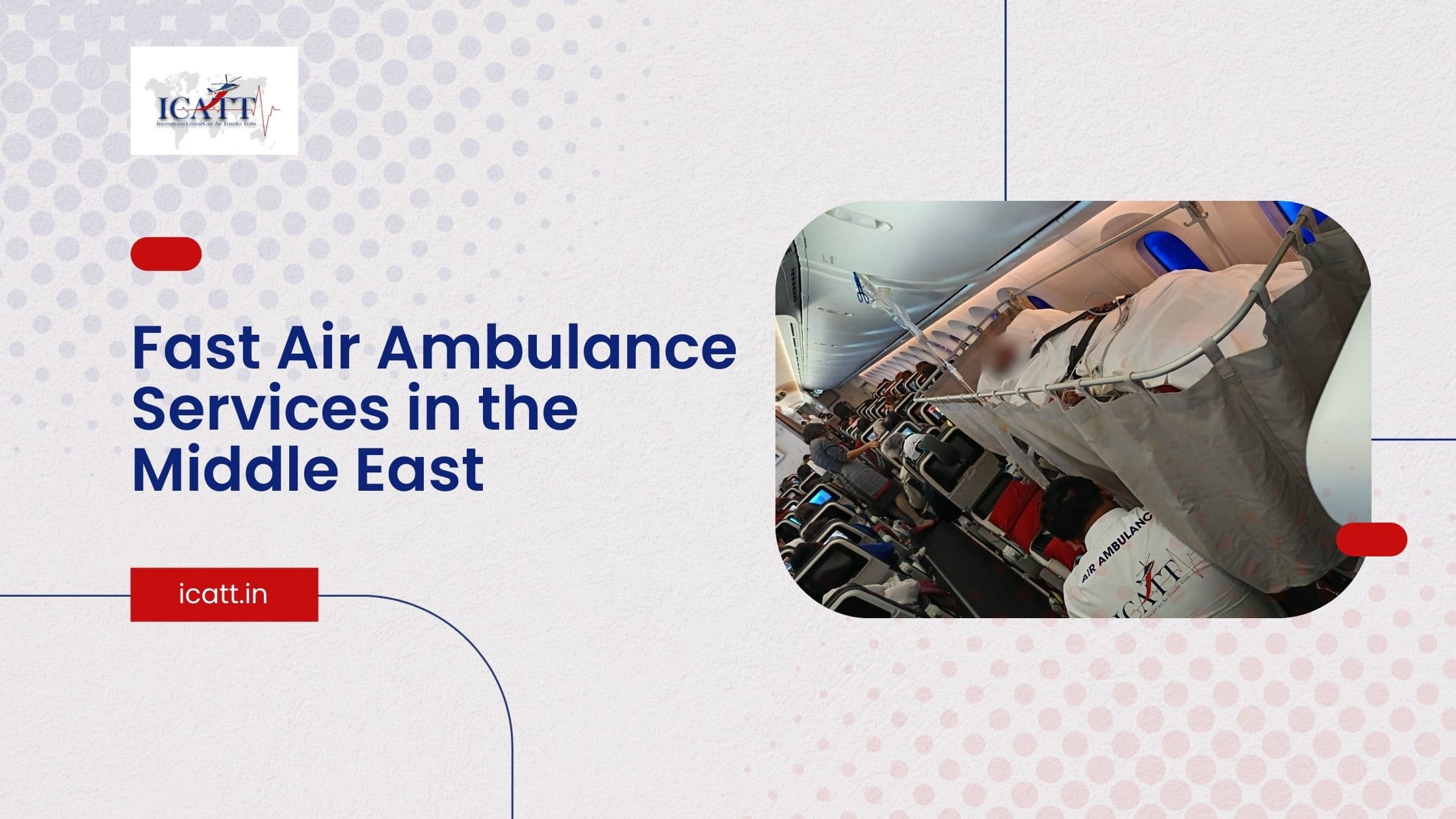
The mode of travel must align with the patient’s condition. Stable patients may be able to return on a commercial flight with medical assistance. Others may require stretcher support if sitting is not medically safe. Critically ill patients often need a dedicated air ambulance to ensure continuous monitoring and care throughout the journey. Selecting the right option ensures safety at every stage.
- Prepare Documents Before Conditions Worsen
Delays in documentation can slow down urgent evacuations. Families should gather essential documents early, including passports, identity proof, medical reports, and a fit-to-travel certificate. It is equally important to confirm admission with a receiving hospital in India in advance. Proper preparation helps keep the transfer process smooth and uninterrupted.
Emergency Repatriation Service India for Overseas Indians
Here are the main features families should expect from an emergency repatriation service India for overseas Indians.
- Immediate Medical Assessment
Emergency repatriation begins with a detailed medical evaluation from the treating doctor. This includes:
- Diagnosis
- Current treatment
- Vital stability
- ICU dependency
- Oxygen or ventilator needs, and
- Infection risks.
Doctors determine fitness to fly and the level of medical support required during transit based on these evaluations.
- Coordinated Hospital Communication
The treating hospital abroad shares complete medical records and treatment history with the receiving hospital in India. The specialist team in India reviews the case in advance. It prepares ICU or ward availability and aligns on immediate treatment steps upon arrival to ensure continuity of care.
- Selection of Safe Transport
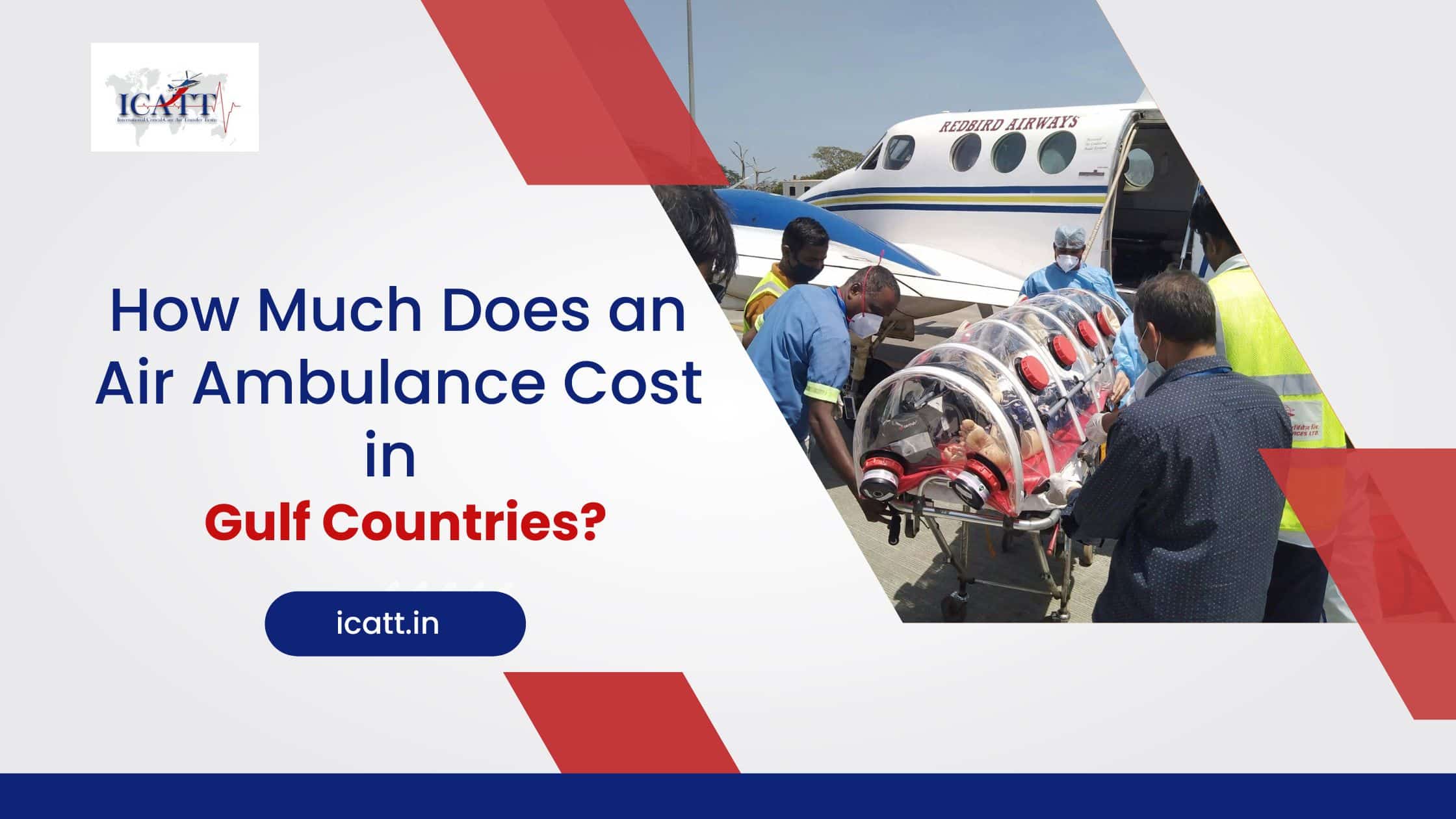
Transport is chosen strictly based on clinical condition. Stable patients may travel with a medical escort on a commercial flight. Patients who cannot sit may require a stretcher setup. Critically ill patients needing continuous monitoring or advanced equipment are transferred via a fully equipped air ambulance with an onboard medical team.
- Documentation and Clearances
All essential documents are prepared in advance, including passport, visa status (if required), detailed medical reports, and a fit-to-fly certificate issued by the treating doctor. Airline medical clearance and coordination with authorities or the Indian Embassy may also be required to avoid delays in certain cases.
- End-to-End Bed-to-Bed Transfer
The entire journey is planned as a single coordinated movement. This includes ground ambulance from the hospital abroad to the airport, in-flight medical care, and ambulance transfer after landing in India to the receiving hospital. Continuous monitoring throughout ensures the patient remains stable at every stage.
When to Choose Air Ambulance Over Commercial Travel
Below are the situations where an air ambulance becomes the safer choice:
Critical Health Condition
- Patient needs continuous monitoring or ICU-level care
- Oxygen support or a ventilator is required during transit
Inability to Sit or Move
- The patient cannot remain seated during long travel
- Requires stretcher setup or controlled positioning
Unstable Medical Condition
- Risk of sudden deterioration during travel
- Requires an onboard medical team for intervention
Limited Time Window
- Urgent transfer needed due to worsening condition
- Faster and controlled movement required
Common Challenges That Delay Medical Repatriation to India
Here are the common issues that often slow medical repatriation to India during crisis situations.
- Families delay the fit-to-travel review
A patient may appear stable in a hospital bed abroad. That does not always mean air travel is medically safe. A delayed fitness review can slow the entire evacuation plan. It can also reduce available transport choices. Early review gives families stronger options.
- Transport planning stays separate from treatment planning
A booked flight does not solve the entire problem. The patient still needs support before boarding and after landing. Weak coordination can create risk even when travel is confirmed. Treatment and transport must remain linked at every step. This keeps the route safer and more organized.
- Records and approvals are not kept ready
Urgent movement depends on fast access to documents and records. Missing summaries and unclear approvals can delay travel badly. In a conflict setting, even short delays matter a lot. Good preparation reduces avoidable obstacles during the transfer process. That is why document readiness deserves early attention.
Key Risks During Medical Evacuation
Below are the risks families should be aware of:
Medical Instability in Transit
- Condition may worsen during long-distance travel
- Requires proper monitoring and preparation
Delays Due to Approvals
- Airline or authority clearance may take time
- Missing documents can slow urgent movement
Poor Coordination
- Disconnect between hospital, transport, and family
- Leads to unsafe or delayed transfer
Incorrect Transport Choice
- Wrong travel mode increases health risk
- May require last-minute changes
Cost Factors in Emergency Medical Evacuation in India
Below are the key factors that affect cost:
Distance and Route
- Longer routes increase operational cost
- Conflict zones may require alternate routing
Patient Condition
- Critical patients need advanced equipment and a medical team
- Stable patients may require lower support
Type of Aircraft
- Dedicated air ambulance costs more than a commercial setup
- Equipment and crew affect pricing
Ground Support
- Ambulance transfers before and after flight
- Airport handling and coordination
How to Choose the Right Medical Evacuation Provider
Below are the factors families should evaluate:
Medical Expertise
- Availability of trained doctors and paramedics
- Experience in critical patient handling
End-to-End Coordination
- Bed-to-bed transfer planning
- Hospital and airport coordination
Transparency in Cost and Process
- Clear explanation of pricing
- No hidden steps or confusion
Experience in Conflict Zone Evacuations
- Ability to handle unstable environments
- Knowledge of embassy and clearance processes
Conclusion
A conflict zone turns illness into a much larger emergency. Families who understand how to evacuate a sick person from a conflict zone to India can respond with greater clarity and less delay. The right medical review and the right route make a safe return more possible. In such moments, emergency medical evacuation in India is about far more than travel. It is about protecting recovery and maintaining safe continuity of care.
ICATT supports families during these difficult moments with clear coordination and patient-focused planning. Our team helps arrange suitable transport and smoother return-to-India pathways during crisis situations. We also help families move through urgent decisions with better clarity and stronger control. Connect with us for trusted medical repatriation to India when safe and timely transfer matters most.