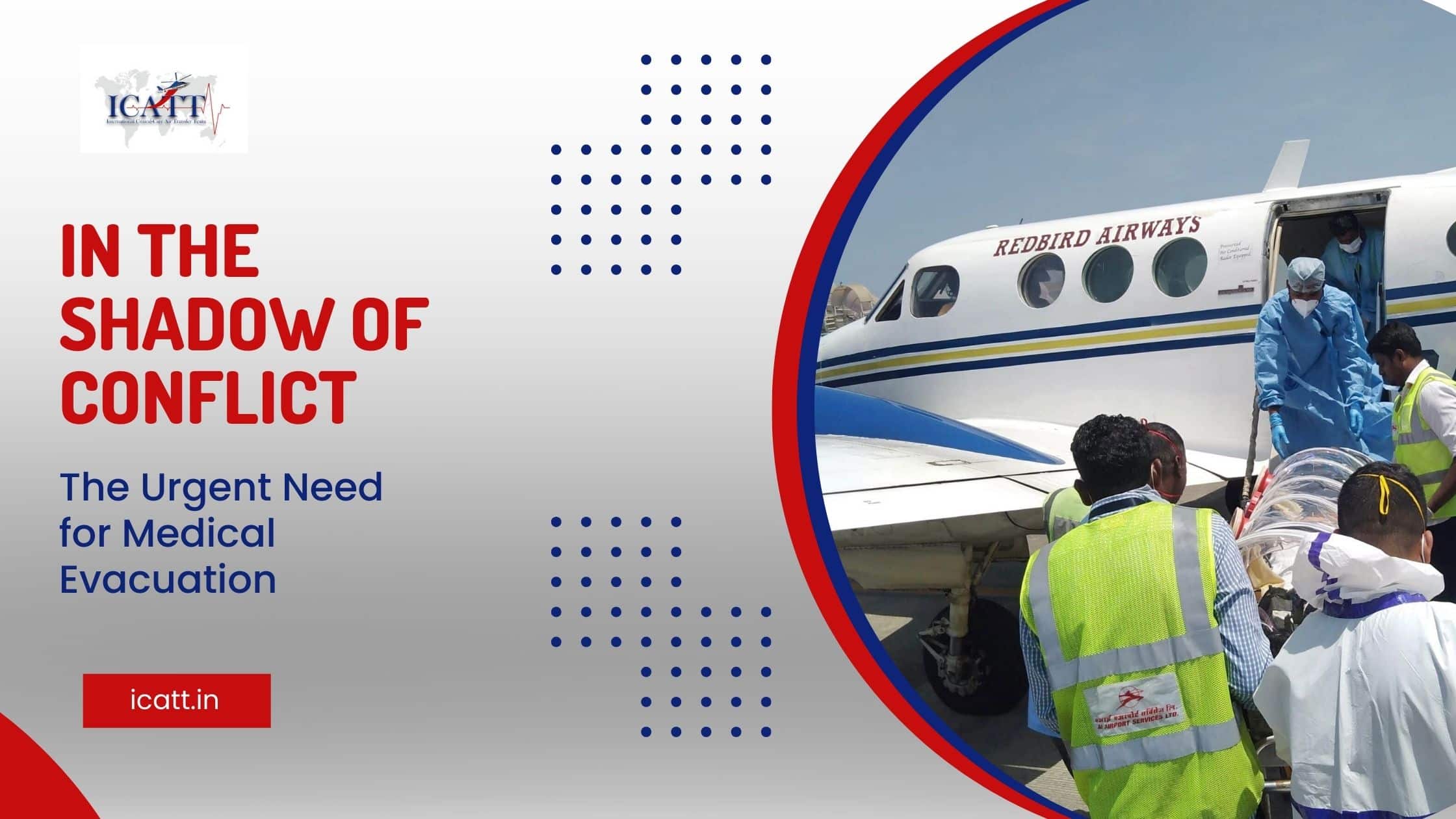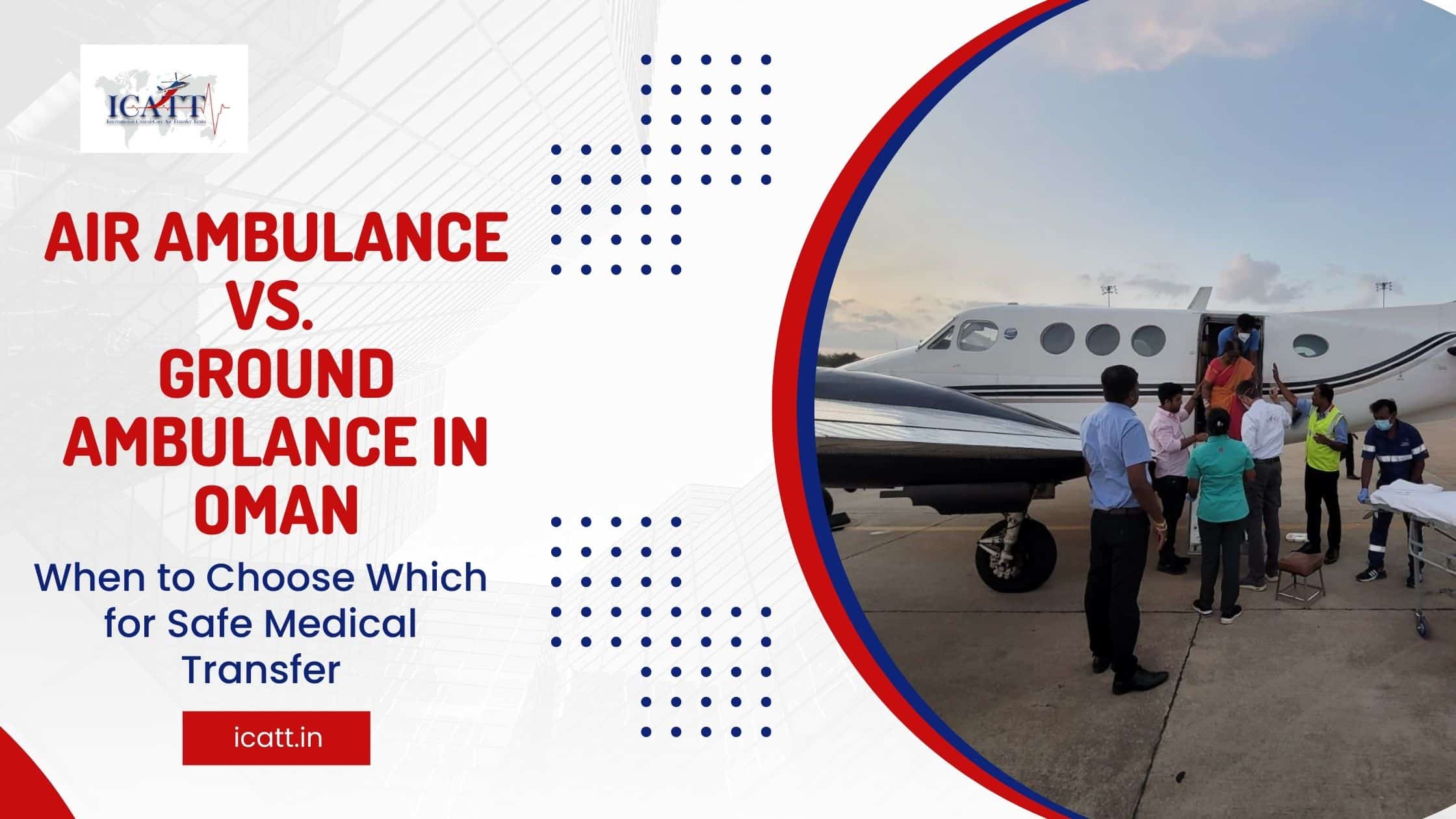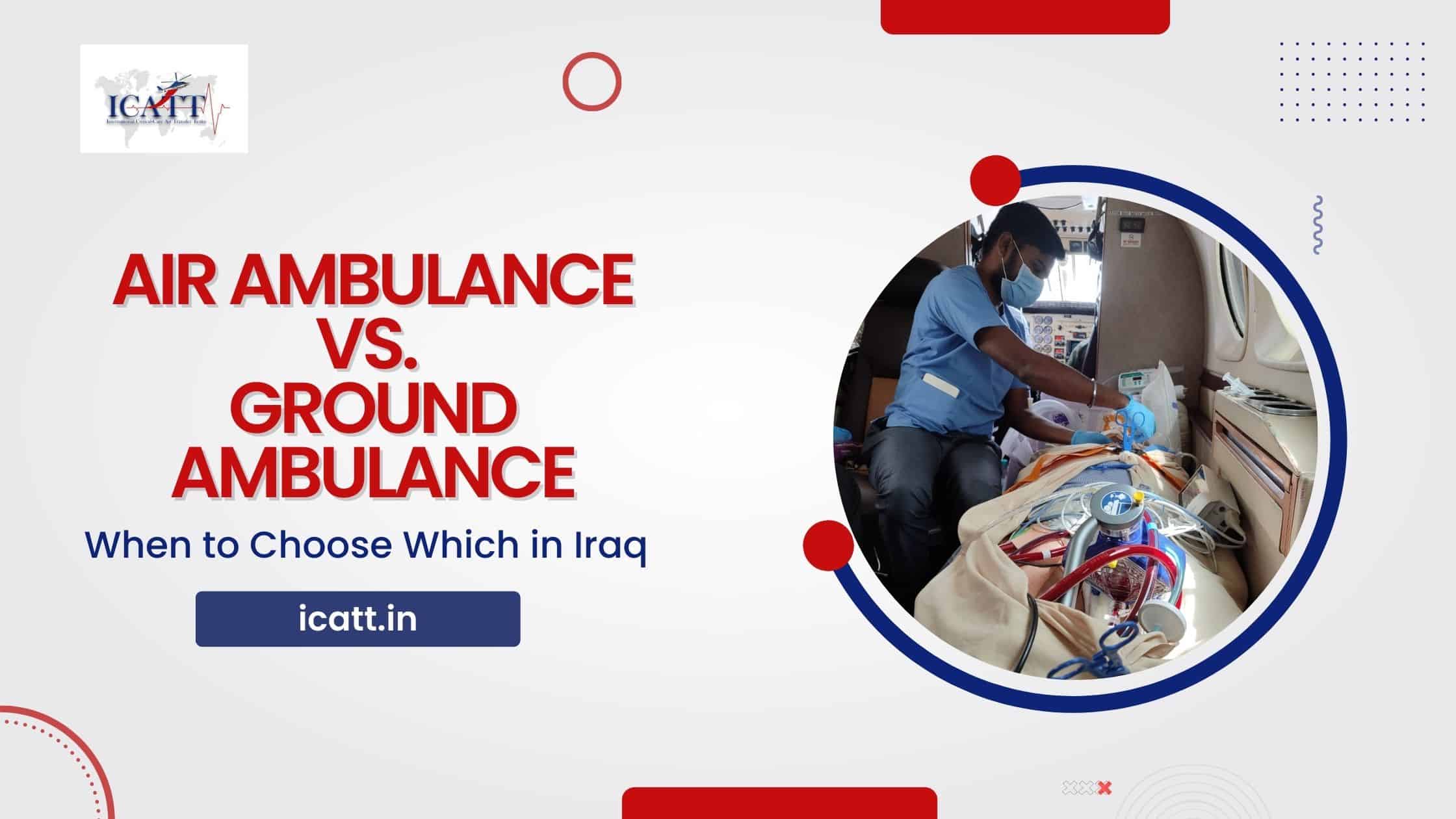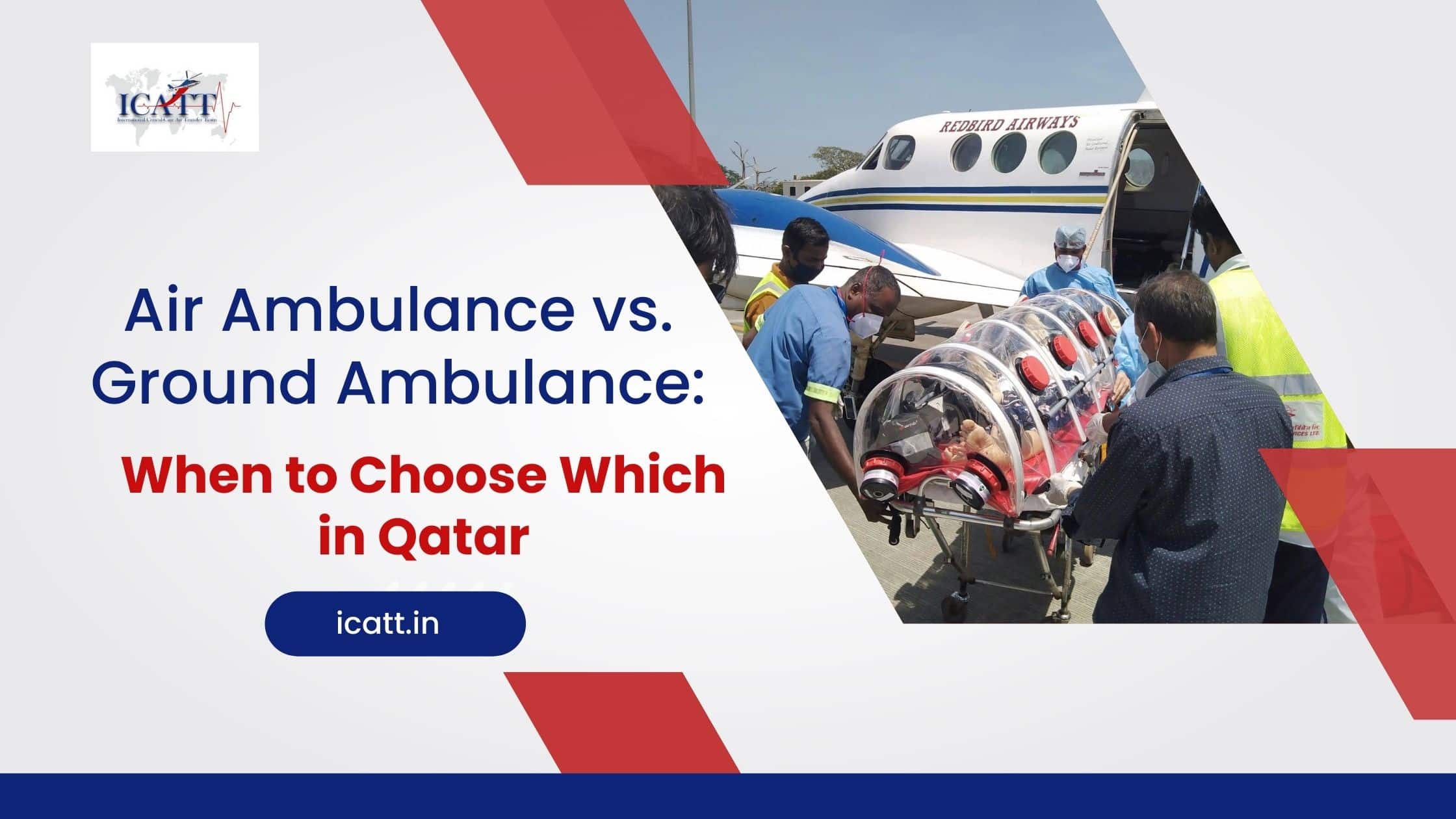
What happens when a loved one falls critically ill during a war or conflict abroad? Every decision becomes urgent, and every delay feels risky. Treatment needs immediate attention, and safe return becomes equally important. That is why an air ambulance for NRI patients becomes more than transport. It becomes a lifeline that connects the patient to safe care in India.
Families often feel lost, not because they delay but because the process feels complex. They need clear answers on how to transfer critically ill patients from abroad to India without confusion. They also need to choose the right route based on the patient’s condition. A well-planned international air ambulance setup in India brings medical clarity and smooth coordination into one reliable process.
Read this blog to understand the complete process and how to arrange a safe international patient transfer to India:
Why Cross-Border Transfer Needs Early Action
Cross-border medical transfer needs early action because a patient’s condition and travel options can change very quickly during a crisis. A patient who is stable today may become unfit for travel tomorrow, which limits safe transfer choices. Early planning helps secure the right transport, confirm hospital admission in India, and avoid last-minute delays. In an overseas medical emergency situation in India, acting early improves safety and keeps treatment continuity intact.
How to Transfer a Critical Care Patient From Abroad to India
Here is how to transfer a critically ill patient from abroad to India safely and efficiently:
- Medical Clarity First
The first step in understanding how to transfer a critically ill patient from abroad to India is medical clarity. The family needs a current medical summary from the treating doctor. That summary should explain the diagnosis and present treatment needs. It should also mention oxygen support and movement restrictions. This information shapes the safest travel option. - Right Transport Match
The next step is transport matching. A stable patient may travel with a medical escort under airline clearance. A more fragile patient may need stretcher transfer because sitting is not medically safe. A critically ill patient may need a full air ambulance with onboard equipment and clinical staff. The correct route depends on medical risk and not on convenience alone. This is where proper clinical review becomes essential. - Hospital Readiness In India
Hospital readiness in India must also be confirmed before takeoff. A patient should not arrive without a clear treatment destination. The receiving hospital should know the case and expected arrival timing. The specialist team should also be prepared for immediate admission if required. This keeps treatment connected and reduces stress after landing. - One Family Coordinator
One family coordinator should manage the case from start to finish. That person should handle updates and approvals throughout the process. Clear ownership reduces confusion during high-pressure decisions. It also helps doctors and transport teams work with one decision-maker instead of several voices at once.
Air Ambulance Service for Indians Living Overseas
An air ambulance service for Indians living overseas matters because medical transfer involves more than just the flight. The process starts with medical review and then moves to route planning and equipment needs. It also includes ground ambulance support and hospital handover. Families need a provider who understands both patient care and safe movement.
Bed-to-bed planning is important in cross-border transfer. The patient must move safely from the hospital to the airport. The patient also needs proper medical support during the flight. After landing, the patient still needs a smooth transfer to the hospital in India. Each step connects to the next, so coordination matters as much as speed.
This is where an air ambulance for NRI patients becomes valuable. Families living overseas often manage the case from different locations. One person may stay with the patient while others coordinate from India. This creates stress and delay. A structured medical transfer team helps reduce this pressure and keeps the process clear and organized.
How Do NRIs Arrange Air Ambulance for Parents in India
Families often ask how do NRIs arrange air ambulance for parents in India when a parent’s condition becomes critical. Here is how NRIs can arrange an air ambulance for parents in India.
Collect Medical Records
- Gather the latest reports and doctor notes without delay
- Include ICU details, scans, and current treatment updates
Get Medical Review
- Ask the treating doctor to assess travel fitness
- Align with the receiving doctor in India for safer transfer planning
Choose the Right Transport
- Match travel option with the patient’s medical condition
- Decide between a medical escort, a stretcher, or a full air ambulance
Confirm Hospital in India
- Finalize receiving hospital before travel
- Ensure the medical team is ready for admission on arrival
Assign a Local Contact
- Keep one trusted person in India for coordination
- Handle hospital paperwork and ambulance support locally
Keep Family Decisions Clear
- Assign one decision-maker for approvals
- Avoid delays caused by multiple conflicting instructions
International Air Ambulance Cost in India
The subject of international air ambulance cost India often becomes urgent as soon as families understand the patient needs medical transfer. The following is a breakdown of the key factors that affect international air ambulance costs in India.
- Route and Distance Impact: Costs vary because no two cases are identical. Route length affects aircraft time and overall operational planning. Ground ambulance requirements may also influence the final quote.
- Patient Condition and Medical Needs: Medical complexity remains one of the biggest cost drivers. A stable patient may require limited monitoring and standard support. In contrast, a critically ill patient may need advanced equipment and a larger medical team.
- Aircraft Type and Setup: The type of aircraft also shapes the final cost. Some cases can be managed through lower-intensity medical travel options, while others require a dedicated aircraft for continuous monitoring and rapid transfer.
- Pricing Transparency and Clarity: Clarity matters as much as the quote itself. Families deserve a cost explanation that is simple and transparent. The provider should clearly explain what affects the price and which services are included.
Here is an approximate table for international air ambulance costs in India:
| Route (From → India) | Estimated Cost Range (INR) | Key Factors Affecting Cost |
| Middle East → India | ₹15 lakh-₹25 lakh | Distance, basic ICU setup, crew type |
| Southeast Asia → India | ₹18 lakh-₹30 lakh | Airport charges, patient condition |
| Europe → India | ₹30 lakh-₹55 lakh | Long-distance, advanced medical support |
| UK → India | ₹35 lakh-₹60 lakh | Flight duration, onboard equipment |
| USA / Canada → India | ₹60 lakh-₹1.2 crore | Ultra-long haul, ICU team, fuel costs |
| Africa → India | ₹25 lakh-₹45 lakh | Route complexity, local handling charges |
Note: Costs vary based on patient condition, medical equipment required, and ground ambulance support.
Trusted Air Ambulance for International Patient Transfer in India
- Medical Capability:
A trusted air ambulance for international patient transfer to India should first demonstrate strong medical capability, as families need to understand the type of crew and onboard equipment involved. The provider should clearly explain how the patient will be supported during takeoff, throughout the flight, and during landing. This builds confidence through operational readiness. - Process Clarity:
Trust also comes from clear and structured processes. The provider should explain how medical records are reviewed and how the safest route is selected. Families should understand how ground transfer connects with flight timing and hospital admission, ensuring the entire transfer remains smooth and well-coordinated. - Communication and Updates:
Communication plays a critical role at every stage, as families need regular updates and realistic timelines. Clear communication reduces uncertainty and helps families stay informed. It also makes the overall transfer process more controlled and less stressful.
Common Delays That Make Transfer Harder
Below are the common delays that make cross-border medical transfer harder:
- Late Medical Records
- Delay in sharing reports slows medical review and route planning
- Missing updates create uncertainty in patient condition assessment
- No Hospital Confirmation
- Lack of confirmed admission in India delays final travel approval
- Unclear receiving team readiness increases risk after landing
- Unclear Family Decisions
- Multiple decision-makers slow approvals and coordination
- Delayed consent affects booking and transfer timelines
- Incorrect Transport Choice
- Choosing the wrong travel mode increases medical risk
- Replanning due to a mismatch leads to loss of critical time
- Documentation Gaps
- Missing identity proof or travel documents delays movement
- Incomplete paperwork creates last-minute disruptions
Best Practices for Smooth Medical Transfer
Below are the best practices that help ensure a safe and timely cross-border medical transfer:
- Early Medical Assessment
- Get a current medical summary from the treating doctor as early as possible
- Clear clinical details help choose the safest transport option
- Confirm Hospital in Advance
- Secure admission in India before finalizing travel
- Ensure the receiving team is prepared for immediate care
- Choose the Right Transport
- Match travel mode with the patient’s medical condition
- Avoid last-minute changes by confirming clinical fit early
- Keep Documents Ready
- Maintain passport details and medical reports in one place
- Complete paperwork early to prevent travel delays
- Assign One Family Coordinator
- Keep one person responsible for decisions and updates
- Clear communication reduces confusion during critical moments
- Stay in Constant Communication
- Maintain regular updates between doctors and the transport team
- Aligned communication keeps the transfer smooth and controlled
Conclusion
A critical illness abroad creates urgency because every step affects the next one. Families need a path that connects treatment and transport without confusion. That is why international air ambulance India and air ambulance for NRI patients remain so important during serious medical emergencies. The right plan brings medical clarity and faster action. It also gives the patient a safer route back to care in India.
ICATT supports families during these difficult moments with structured planning and patient-focused coordination. Our team helps arrange suitable transfer routes and medical support for international movement to India. We also help overseas families understand options with greater clarity and stronger control. Connect with our team for dependable air ambulance for NRI patients and trusted support for safe international patient transfer to India.