When medical emergencies occur, there is often only one thing that separates saving a life from losing a life: time. By the term time it refers to how long it takes to get the patient to the proper facility (whether it’s across a border, in another city, or even within the same city) and how the patient gets to that facility. For example, imagine a critically injured patient in Muscat, and they need specialized surgery in Riyadh, or a newborn has failed lungs and needs to be flown immediately to an advanced neonatal ICU in Dubai. In any of these situations, every minute matters and every decision counts because quick transport can save lives, which ground transport cannot.
For families, these situations become even more complicated because they face the unimaginable scrambling for hospital beds, keep looking for doctor recommendations, and do heavy paperwork for transfer approvals. On top of everything, the question that often follows is, “How much will this cost?”
Unlike a taxi or commercial flight, an air ambulance cost is not determined by distance alone; the rule is different for its pricing. There is an intricate blend of clinical urgency, real-time medical investment, aviation logistics, and regulatory coordination that determines air ambulance pricing.
Within the Gulf region, which includes Kuwait, Saudi Arabia, Bahrain, Qatar, the UAE, and Oman, air medical transport has become an important lifeline to patients requiring emergency transport. However, understanding the underlying factors driving the pricing of air ambulances can appear opaque.
In this blog, there is a complete breakdown of the various components, like air ambulance cost in the Gulf, and how you can arrange air ambulances in the Gulf without any back-and-forth follow-ups.
How Air Ambulance is Not Just a Means of Day-To-Day Transport
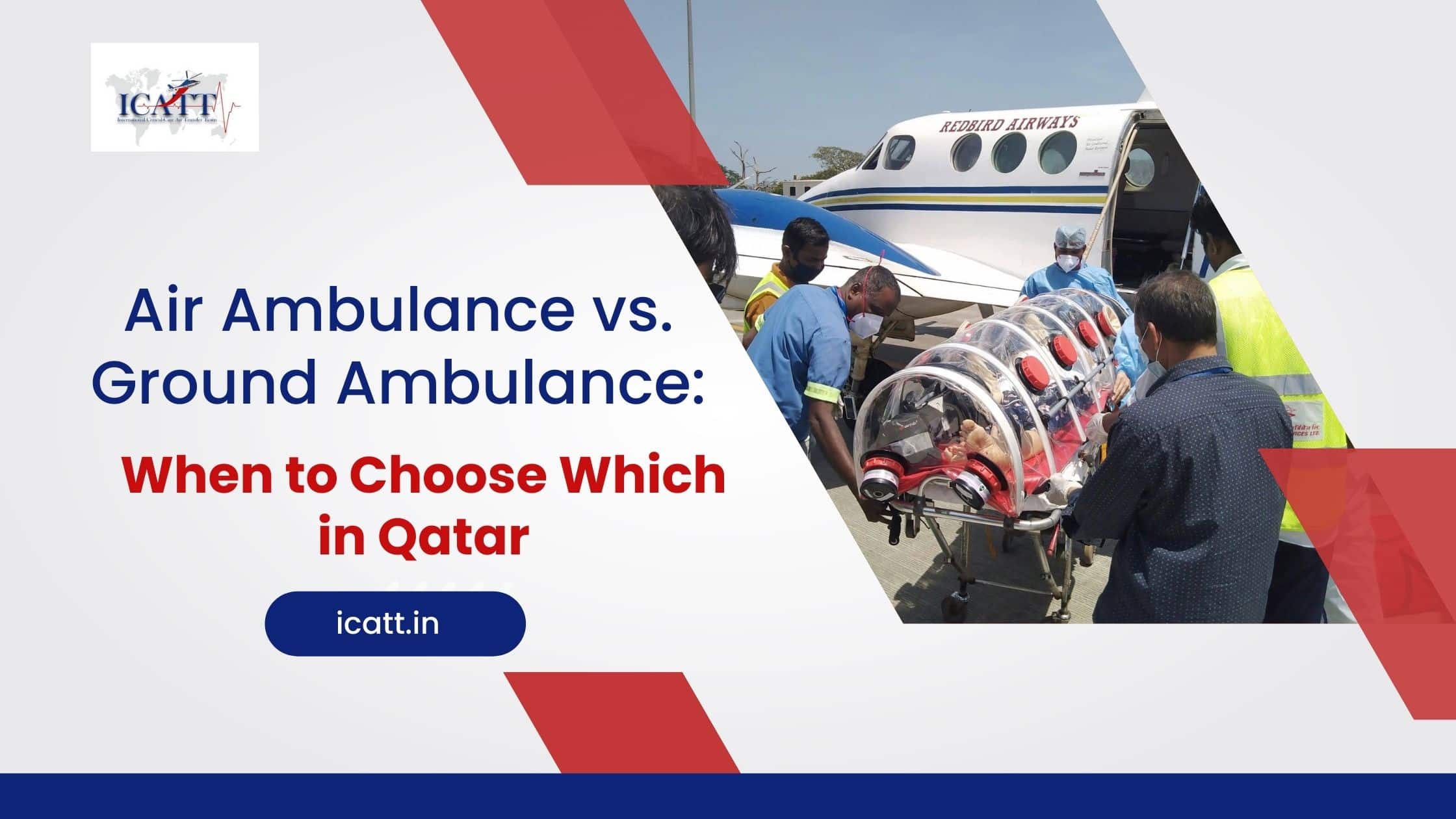
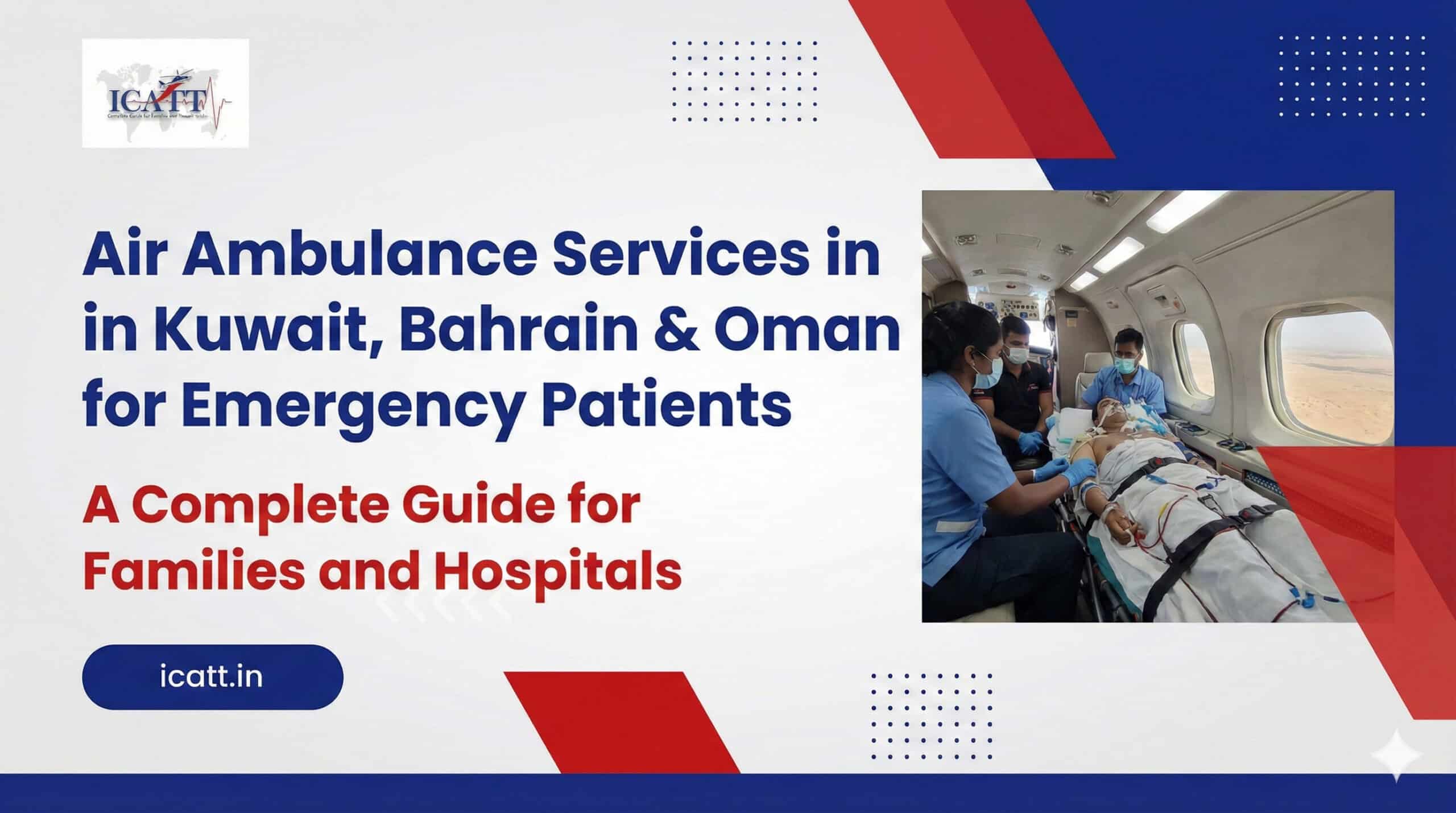
An air ambulance is not limited to transporting patients with a stretcher, but it is much more than that. It is a mobile intensive care unit. In air ambulance services, the critical care that is required does not stop when a patient leaves the hospital.
For managing any emergency medical case, the aircraft itself becomes an extension of the ICU with:
- Advanced ventilators
- Cardiac monitors
- Infusion pumps
- Oxygen systems
- Emergency drugs
- Specialist medical teams
These in-flight clinical facilities with nursing experts on board are a major factor influencing the air ambulance cost. Moreover, it requires not just aviation resources but continuous medical attention.
General Scenarios Where Air Ambulance Is Used in the Gulf
Here are the following instances when air ambulances are used:
- Ground travel is too slow or unsafe
- Long distances separate critical care centers
- Specialized care is unavailable locally
- Patients are unstable and need ICU monitoring mid-journey
- International medical repatriation is required
Examples include:
- Severe cardiac emergencies
- Stroke transfer
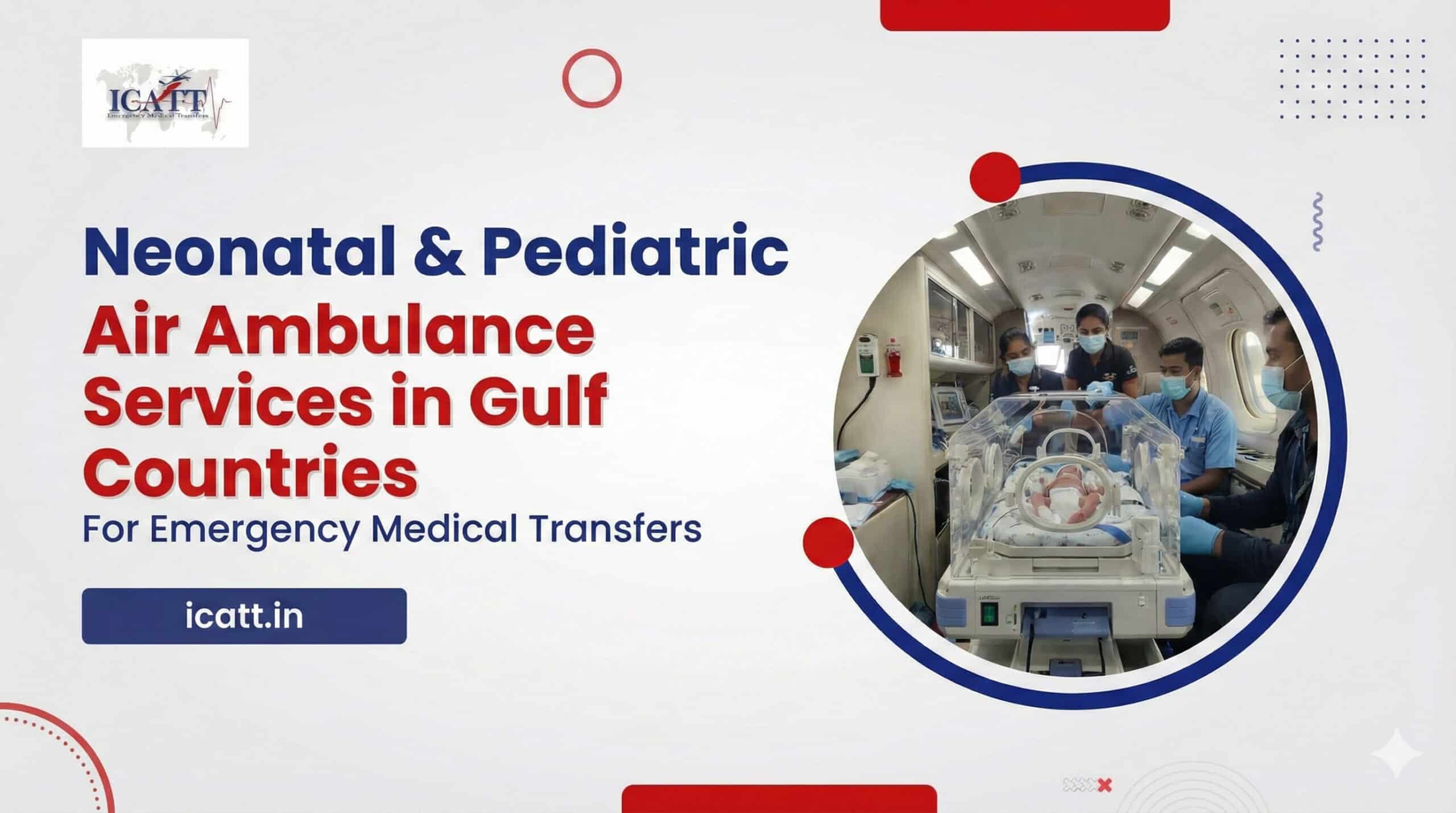
- Neonatal critical care transfers
- Organ transport missions
- Complex trauma evacuations
- ECMO patient transfers
In each case, the cost is interconnected with urgency, medical complexity, and distance.
Core Components of Air Ambulance Cost
The overall price of an air ambulance mission in the Gulf is not a single figure but an aggregate of multiple factors.
1. Type of Aircraft
Different medical cases require different aircraft. Here are the following:
- Helicopters – These are considered ideal for short-range transfers and urgent lift-offs.
- Fixed-Wing Jets – Highly preferred for long-distance, cross-country travel, or families travelling together.
Note: Aircraft availability and the type required usually affect the air ambulance cost in every case. Smaller aircraft may be cheaper in short hops but inefficient for multi-hour journeys, which is why our aim needs to be to save lives without calculating costs at that moment.
2. Distance and Flight Time
Unlike commercial flights, air ambulances don’t operate on scheduled routes; in fact, their response time is based on a direct flight from A to B (e.g., departure point to receiving point). This also includes fuel, flight crew hours, and airspace permissions.
For example:
- Short regional hop: Lower cost
- Inter-Gulf transfer (e.g., Muscat → Doha): This cost mid-range
- International repatriation (e.g., Riyadh → London): Highest cost
Generally, the greater the distance and the flight hours, the higher the air ambulance cost will be.
3. Medical Crew and Equipment
This is one of the most variable components:
- Are critical-care doctors required?
- Does the patient urgently require neonatal support?
- Are there additional medical resources required or not like ECMO, ventilators, or dialysis equipment
The presence of an additional medical resource, such as obstetrical equipment, will increase both the complexity and the cost of the mission. In general, a stable patient requiring basic monitoring will cost less than one needing advanced life-support equipment and specialists or nursing support staff onboard.
4. Ground Ambulance Integration
Air ambulances in Gulf missions are not just flights; they require bed-to-bed care:
- Ground ambulance at the origin hospital
- Transfer to airport
- Secure airport medical handling
- Ground ambulance at destination
These ground components are bundled into the overall air ambulance cost.
5. Airport & Airspace Fees
Aircraft incur:
- Landing fees
- Overflight permissions
- Ground handling charges
- Permissions from aviation authorities
In international or cross-border transfers, everything from diplomatic clearances and customs approvals to airport operational fees is added to the bill. ICATT does not add any hidden charges.
6. Urgency and Activation Time
Emergency missions, which are activated within hours, typically cost more than pre-planned transfers. This is because:
- Aircraft may be held on standby
- Crew readiness incurs additional costs
- Prior permissions must be fast-tracked
Urgent activation is a frequent driver of higher air ambulance costs.
Typical Price Ranges Across the Gulf
Given the variables, exact prices depend on case specifics. However, for more details and practical understanding, you can connect with the ICATT team.
Cross-Border and International Impact on Cost
One of the most complex aspects of air ambulance in Gulf missions is when transfers cross international borders.
This introduces:
- Visa and immigration coordination
- Foreign airport permissions
- Diplomatic aviation clearances
- Customs documentation for medical equipment
How Medical Complexity Influences Pricing
Different cases carry different clinical demands:
Standard ICU Transport
Includes:
- Ventilators
- Cardiac monitoring
- Paramedics or nurses
Moderate in price.
Critical Specialty Transport
Includes:
- ECMO support
- Neonatal incubators
- Pediatric support
- Surgical-level monitoring
High in price due to specialist staffing and equipment.
Organ Transport
Requires:
- Rapid coordination
- Dedicated flights
- Temperature-controlled containment
- Zero delays
Costs vary widely based on urgency and distance.
Breakdown of Included and Excluded Costs
A professional provider should clearly specify what is included upfront.
Typically Included
- Aircraft charges
- Medical team fees
- In-flight consumables
- Ground ambulance coordination
- Airport handling
- Basic permissions
Typically Excluded
- Visas and immigration costs
- Embassy or diplomatic fees
- Hospital admission charges
- Specialized out-of-pocket medical consumables
- Unplanned delays or standby charges
Transparent billing (no hidden charges) ensures families are not caught off guard.
Comparing Ground Ambulance vs. Air Ambulance Cost
It’s important to contextualize costs with medical necessity.
| Mode | Cost | Suitability |
| Ground Ambulance | Low | Stable patients, short distances |
| Air Ambulance | High | Critical patients, long-distance, regional and international |
For stable cases, ground transport is economical. But for time-sensitive emergencies that require immediate attention and care, the air ambulance cost delivers value by saving lives that ground transport cannot.
How to Get an Accurate Air Ambulance Quote
A proper estimate should include:
- Patient age, weight, condition
- Required medical equipment
- Flight distance and routing
- Ground ambulance needs
- Clearances and permits
- Urgency classification
Providers usually offer written quotes detailing each segment of the cost.
Tips for Families & Hospitals Planning Air Ambulance Transfers
- Always first request a detailed cost estimate up front
- Confirm with the service provider what is included and excluded
- Ask about emergency mobilization time frames and confirm the details
- Check insurance coverage and reimbursement rules from both parties (service provider and insurance company)
- Understand aircraft type and medical staffing level
- Select a provider who has years of experience in both clinical and aviation expertise
Why Choosing the Right Air Ambulance Service Provider Matters
The air ambulance cost should be weighed against:
- Clinical outcomes
- Patient stability
- Risk of in-flight deterioration
- Coordination complexity
- Legal and regulatory compliance
Cost Considerations That Save Lives
Understanding the air ambulance cost is not simply about budgeting, because you also need to think about the entire clinical and logistical cost involved in getting a patient back to safe and healthy after an emergency. In Gulf countries, where hospitals are geographically dispersed and emergencies that occur at unpredictable times can demand instantaneous action. This is where air ambulances in the Gulf bridge the gap between locally available services and lifesaving care.
Though air ambulances typically are at higher costs, when compared to the advanced clinical continuity, rapid decision-making by emergency medicine physicians, and clinically based transport facility, they are far better than ground services, as every minute (and distance) counts as a threat to human life.
If you need an accurate quote and/or clinical evaluation, reach out to ICATT. We are a global provider who can guide you through every step with transparency and care.