Medical emergencies are one of the scariest parts for families, friends and dear ones. Especially when we discuss emergencies that occur in the Gulf, these particularly take place in remote areas, highways, or where access to nearby hospitals is not quick/ at least one hour away. For example, a person having cardiac arrest in Riyadh will need immediate assistance from the nearest hospital or an injured person in Dubai who may need to go to his family or an overseas hospital that has a more specialized medical facility. In all such cases decisions are not made calmly or sequentially but under pressure, with lives depending on how quickly the right transport system helps the patient transfer from one place to another.
Across the Gulf region, distances between cities and countries are short on maps which is why many times people opt for ground ambulance too. However, complex cases, critical/ urgent patient transfers demand far more than just a fast transfer. It requires medical precision, regulatory expertise, and safe transport. Which is only possible with air transfers because air ambulance in Gulf operations must balance urgency with uncompromising clinical standards. It makes all the difference and becomes more than transportation.
Let’s understand when arranging emergency air medical transfers in the Gulf matter and how ICATT aeromedical services in the Gulf deliver rapid medical evacuation.
The Gulf Healthcare Landscape and the Need for Air Medical Transport
The Gulf region is one of the most populated and richest areas on Globe. It includes the UAE, Saudi Arabia, Qatar, Kuwait, Oman, and Bahrain which has now also emerged as a global healthcare hub in the world. Each of these regions has world-class hospitals, advanced trauma centers, transplant units, and specialty cardiac and neuro facilities. These world class facilities and high-end infrastructure attract patients not only from within the region but from Africa, South Asia, and Europe.
However, even with this concentration of excellence, not every city or hospital can provide every form of super-specialty care at all times. Patients often need to be transferred urgently for:
- Advanced cardiac or neurosurgical intervention
- Polytrauma and severe accident management
- Neonatal and pediatric critical care
- Oncology complications requiring tertiary ICUs
- Organ transplant coordination
- Repatriation to home countries for continuity of care
In such situations, road transfer is often impractical due to distance, border crossings, or clinical instability. Commercial flights, even with stretcher services, cannot provide ICU-level monitoring. This is where Air Ambulance services in Gulf become a medical necessity rather than an option.
Is Speed Alone Enough in Air Transfers?
There is a common misconception that air ambulances are simply about flying faster. However, reality is different from what we know because speed without safety can be dangerous and patients being transferred for treatment need to be relocated safely. A quick transfer that lacks proper stabilization, equipment, or medical oversight can only worsen a patient’s condition mid-flight.
True aeromedical excellence lies in synchronizing speed with:
- Clinical readiness
- Patient stabilization before takeoff
- Continuous in-flight critical care
- Seamless coordination with sending and receiving hospitals
- Regulatory and aviation compliance
ICATT’s approach is built around this integrated model, ensuring that urgency never overrides safety.
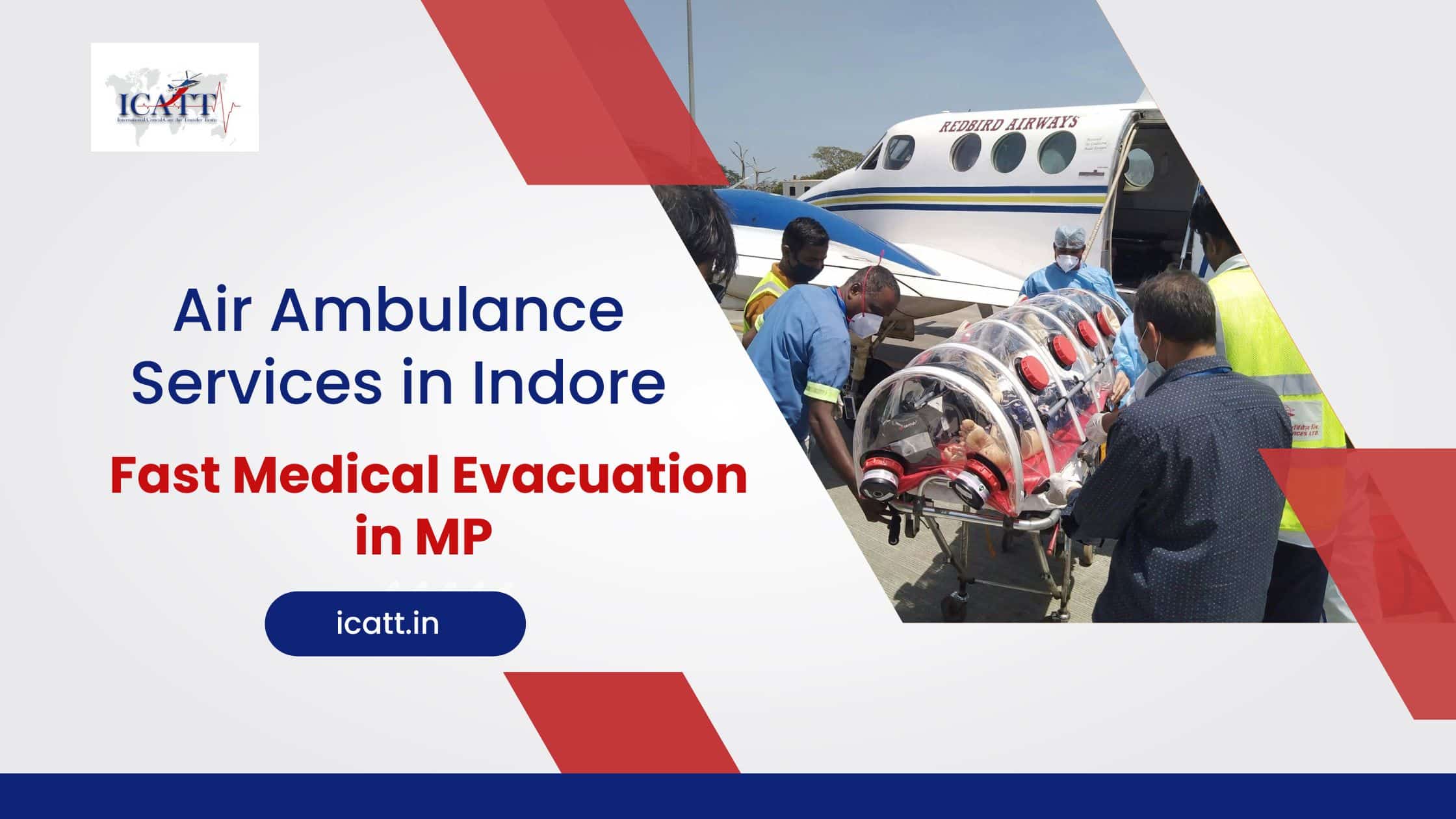
What Makes an Air Ambulance a Flying ICU
When ground ambulances are inadequate, an air ambulance in Gulf acts as the safety net that helps to reach on time, covers long distance in minutes, and ensure the patients survival is handled properly.
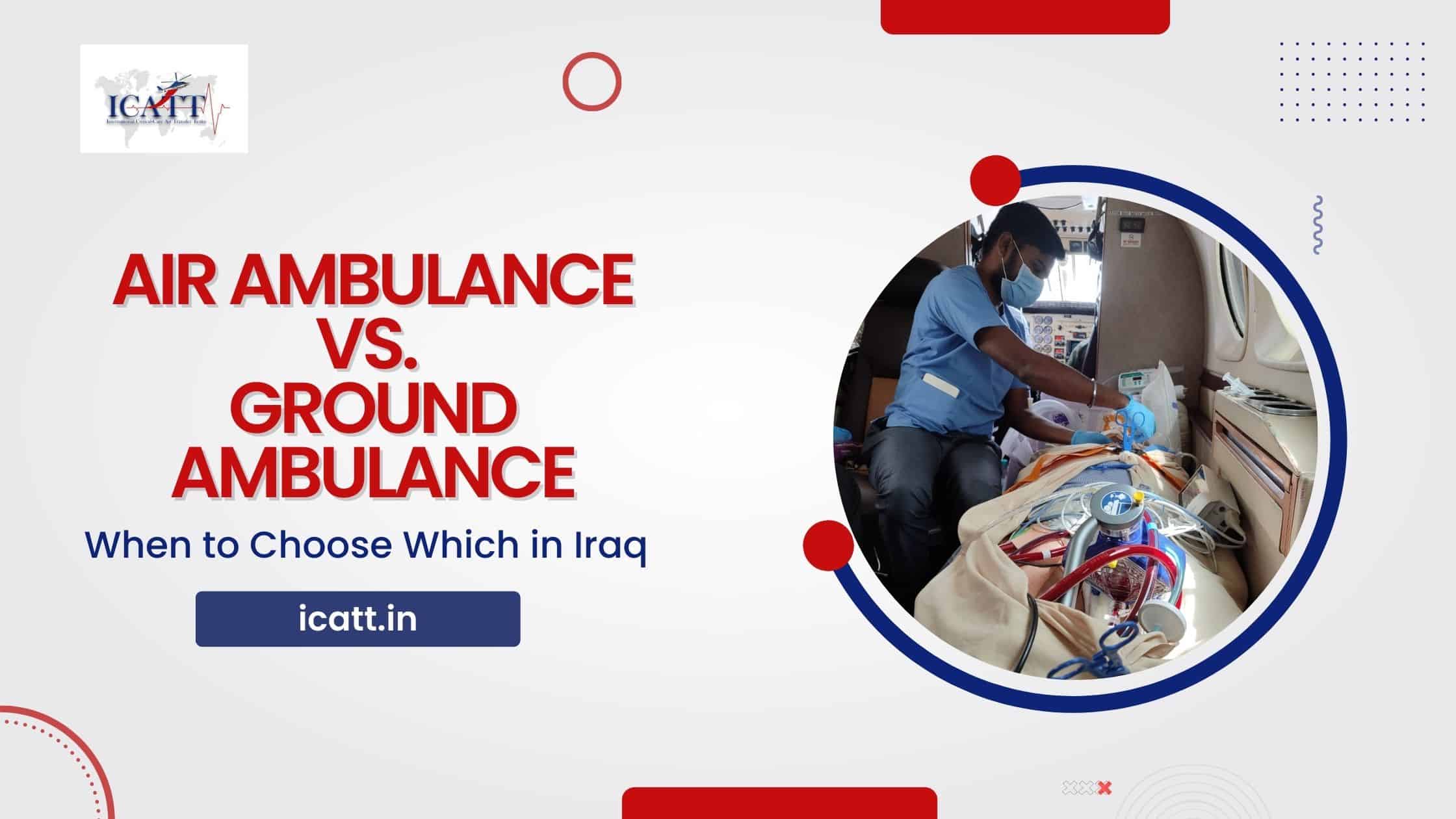
In simple words, they are flying ICU’s because they are equipped with ventilators, advanced cardiac monitors, defibrillators, oxygen tanks, lifesaving medications and in some cases physicians who have specialization. These are not just regular airplanes with stretchers; they are a lifesaving transport that has saved thousands of lives.
The goal is simple: to provide top notch essential hospital-level care while moving patients quickly and safely. It is especially important when every second counts.
- Onboard Medical Capabilities Include:
- Advanced ventilators (as per requirement) suitable for long-distance flights
- Multi-parameter monitors for patients stability (ECG, invasive BP, SpO₂, EtCO₂)
- Infusion pumps for vasoactive drugs and sedation
- Oxygen systems with redundancy for extended durations
- Defibrillators and emergency airway equipment’s for safety
- Specialized/ customized kits for trauma, cardiac, neonatal, or ECMO cases (when indicated)
This entire customized setup allows hospital-level care to continue uninterrupted care of patient from takeoff to touchdown.
The ICATT Medical Team: Expertise That Travels with the Patient
Fact is speed is truly meaningless without the right medical professionals onboard. Which is ICATT deploys experienced aeromedical teams tailored to each patient’s condition.
Typical Crew Composition:
- Critical care or emergency medicine physician
- ICU-trained flight nurse or paramedic
- Experienced aviation and technical crew trained in aeromedical operations
For a lot of complex cases, ICATT team particularly includes neonatal specialists, anesthetists, or perfusionists (depending on the requirements of patient). Each of the team members is specially trained to handle emergencies in the constrained environment of an aircraft cabin because their decisions must be swift, precise, and safe to save a life.
How ICATT Maintains Safety While Operating at Speed
- Pre-Flight Medical Stabilization
ICATT team ensures that no patient is rushed into the air without thorough medical assessment. The clinical team first reviews the entire medical records, imaging, lab reports, and treating physician notes in order to properly determine flight fitness of the patient. Following the protocol experts also ensure stabilization protocols are strictly adhered, even if it means delaying departure to ensure safety.
- Aircraft Selection Based on Medical Need
Not every aircraft suits every mission. ICATT selects aircraft based on:
- Distance and range
- Cabin space for equipment and team movement
- Pressurization needs for neurological or respiratory patients
- Runway availability and airport restrictions
This ensures both speed and clinical comfort.
- Regulatory and Airspace Compliance
Operating an Air Ambulance Gulf involves properly navigating complex aviation and medical regulations across multiple jurisdictions. Considering all ICATT manages:
- Overflight and landing permits
- Civil aviation authority approvals
- Customs and immigration clearances
- Medical documentation and patient visas
This complete backend coordination helps prevent last-minute delays that could compromise patient treatment outcomes.
- Continuous In-Flight Monitoring
Once the patient is airborne, team handles everything smoothly and keeps the individual under constant observation. Every vital parameter is tracked continuously to ensure the right medications are adjusted as needed, and interventions performed promptly. With all of the above members also stay in touch with the receiving hospital so that ICU teams are ready on arrival.
- Structured Clinical Handover
Upon landing, ICATT team ensures a structured handover to the receiving medical team. This includes everything from full documentation, in-flight notes, to verbal briefings as it minimizes information gaps and supports immediate treatment.
Common Scenarios Where Air Ambulance Is Critical in the Gulf
| Medical Situation | Why Air Ambulance Is Essential |
| Remote island emergencies | Time-sensitive transfer and locations where ground ambulances simply can’t reach |
| Severe cardiac events/ Critical medical conditions | Rapid access to medical facility or cardiac surgery in the golden hour |
| International transfers | ICU-level monitoring/ complete medical supervision during inter country transfer |
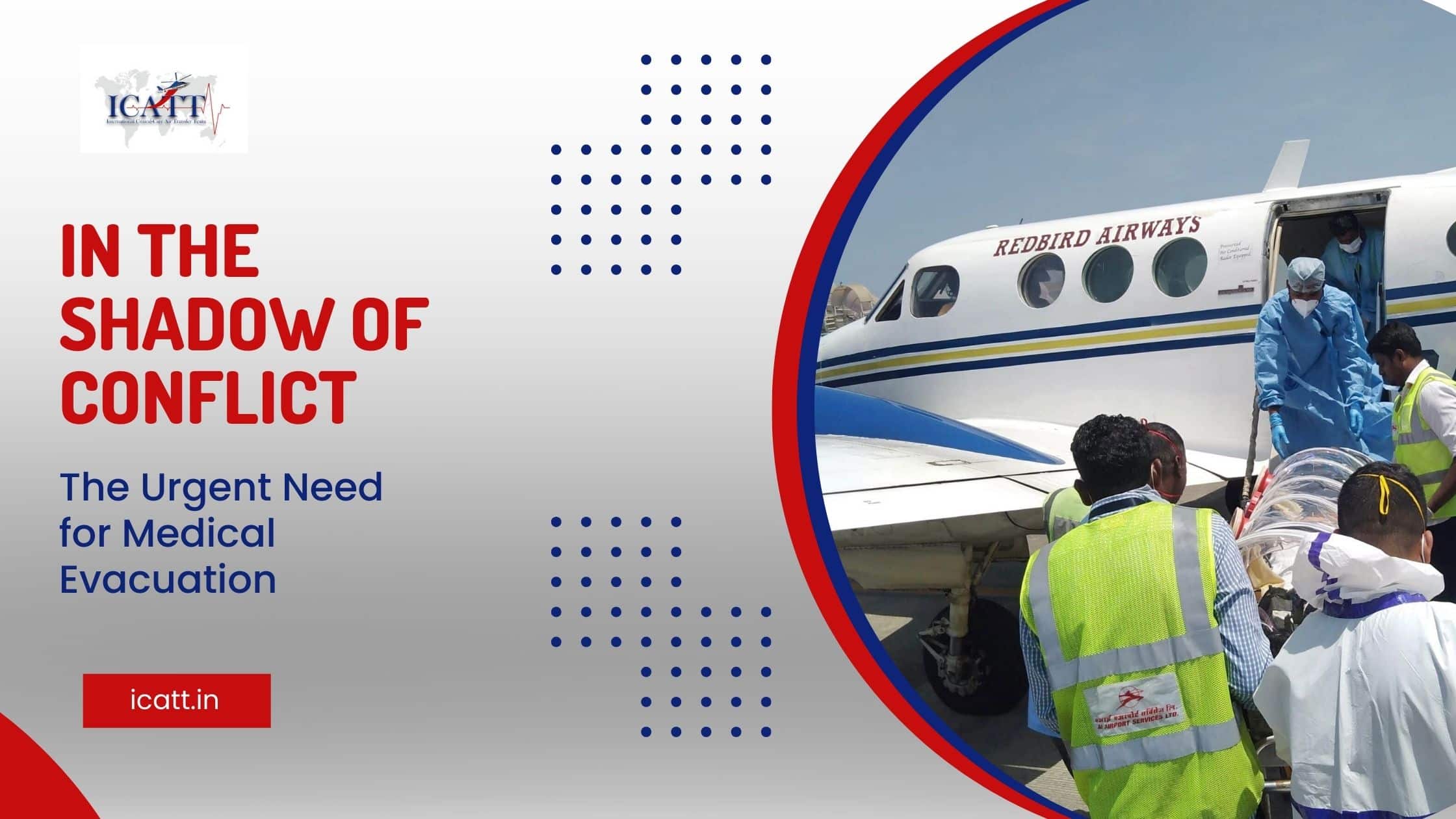
| Disaster evacuations | Transfer of critical patients for fast evacuation during weather or other natural calamities |
| Organ transplants | Highly coordinated timing between donor and recipient centers |
| Medical repatriation to home country | Safe return to home country for medical care and family support with continuous care |
In each of the above scenarios, speed matters but only when matched with clinical safety.
Cross-Border Transfers: A Gulf-Specific Challenge
One of most challenging things is cross border transfer of patients. However, ICATT’s one of the most experienced aspects of Air Ambulance in Gulf operations is cross-border coordination. We help patients transfer from Saudi Arabia to the UAE, from Qatar to India, or from Oman to Europe. However, these missions require a lot of things like:
- International medical clearances
- Embassy coordination
- Aviation permits across multiple FIRs
- Synchronization with foreign hospitals and insurers
Note: ICATT’s years of experience and highly trained experts in international aeromedical logistics ensure that these complexities do not slow down patient care.
How Safety Protocols Matter in the Air
Medical emergencies handled in the air are not same way as on the ground because there are limited space, noise, vibration, and altitude-related physiological changes. Additionally, these changes demand specialized protocols for safety.
Here’s what ICATT adheres to:
- Aviation medicine guidelines
- International aeromedical safety standards
- Infection control and isolation protocols
- Redundancy planning for equipment and oxygen
These safety measures and medical protocols ensure that even at 30,000 feet, patient safety remains uncompromised.
Why ICATT Sets the Benchmark for Air Ambulance in the Gulf
ICATT’s reputation in the region is built on trust from families, hospitals, and healthcare systems. The organization does not operate as a transport provider but as a clinical extension of the ICU.
What Differentiates ICATT:
- Medical-first decision making
- Experienced aeromedical professionals
- Proven cross-border coordination expertise
- Transparent communication with families and doctors
- Strict adherence to safety and regulatory standards
Every case that comes to team is properly approached with one objective: delivering the patient safely, not just quickly.
Speed With Responsibility Saves Lives
Emergencies and general medical transfers depend a lot on speed to save lives but only when guided by medical responsibility. ICATT’s air ambulance in Gulf services are designed for zero delays, expertise, and safety. Moreover, ICATT has structured its operations to ensure that the transfer takes place smoothly from pickup to admission and that rapid response never compromises patient well-being.
So, when every minute counts, choosing an air ambulance provider that values safety as much as speed can make the difference between survival and loss. For immediate assistance or to know more about emergency transport reach out to ICATT’s 24×7 helpline.