In emergency cases, there are a lot of critical moments when the need for general clinical expertise is not always sufficient. As soon as a person is injured or suffers a serious medical problem, everything majorly begins to depend on how quickly a patient can be moved to a medical facility safely and without losing continuity of care. Many times, these situations occur without warning, like a person suffering sudden cardiac arrest in Kuwait, a severe trauma case in Bahrain that needs quick medical intervention, or a critically ill patient in Oman who requires advanced medical treatment that may not be locally available.
For many family members, these moments or experiences can be the most difficult event in their life. On the other hand, for hospitals and health care providers, emergency medical services are a complex and time-sensitive experience. In both cases, the solution must balance speed with safety. This is where professional air medical transport becomes essential.
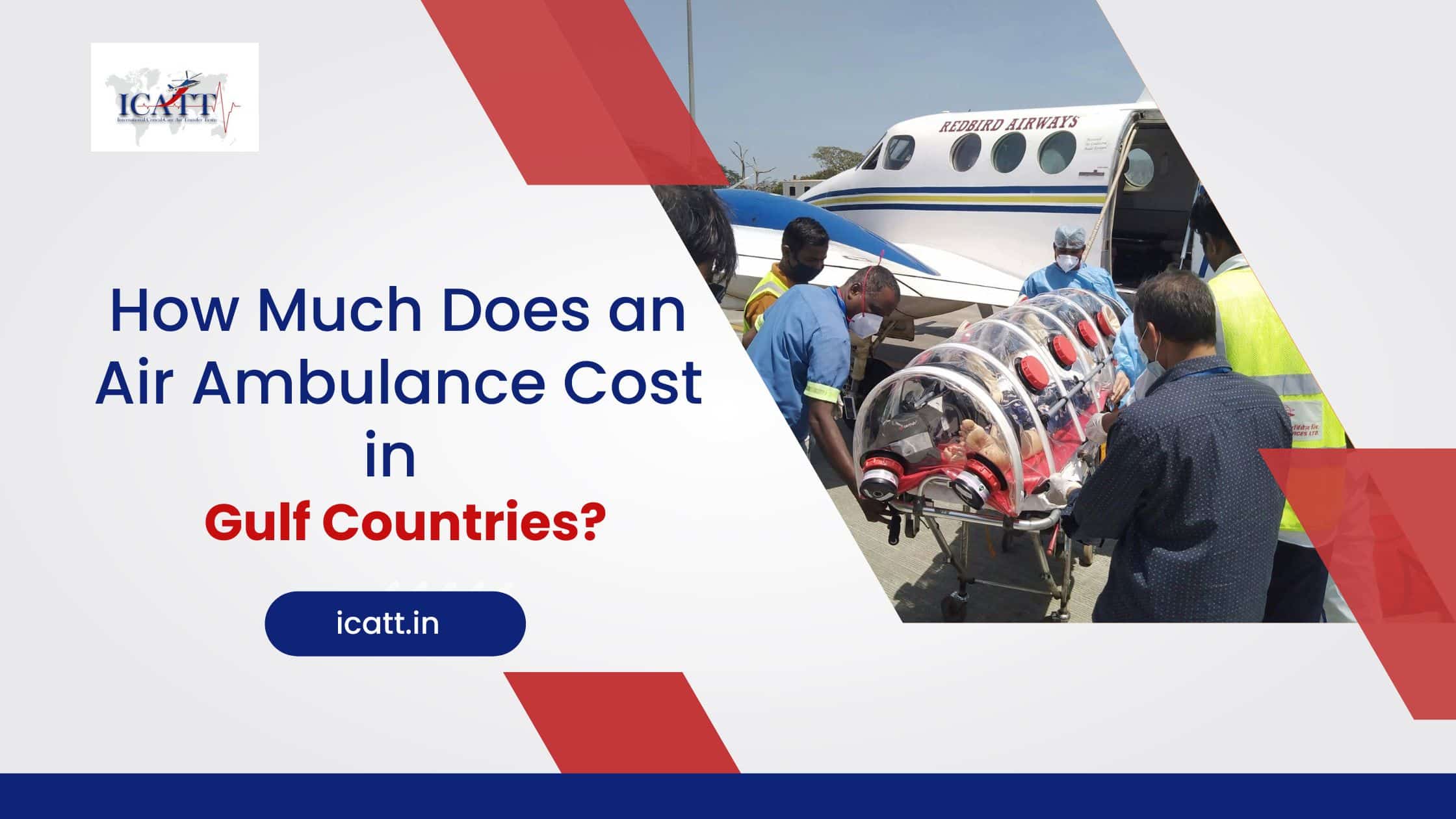
Across the Gulf region, air ambulances in Kuwait, Bahrain, and Oman have greatly supported the emergency medical healthcare systems by allowing immediate access to specialized medical facilities. This is also done while maintaining ICU-level care during the air transport of the patient. Additionally, when emergency patient transport services (air) are operated effectively, they not only provide a faster method of transport, but also they are a life-saving advantage to patients that is clinically decisive for patients’ health stabilization.
Why There’s Growing Need for Air Ambulance Services in the Gulf Region
This is one of the most important questions that people often ask. Today the Gulf region is not just investing in its smart infrastructure, but over the past few decades it has invested heavily in healthcare development as well. Kuwait, Bahrain, and Oman all currently have top modern hospitals, emergency departments, and specialized medical centers with air ambulance services. However, no healthcare system, regardless of its top medical facilities, can provide advanced treatment at any location or during emergency times. This is why it is important to understand air ambulance services.
Here are a few common challenges that medical facilities face:
- Limited to no availability of special care facilities in certain regions. It could be remote areas, suburbs, or hilly areas.
- During the time-sensitive conditions when there’s a need for immediate intervention and it’s not easily accessible.
- Cross-border transfers in many cases of advanced cardiac, neurological, or trauma care.
- Geographic constraints affecting rapid ground transport.
- The need for controlled, medically supervised long-distance transfers.
So, in any of such situations, air ambulances in Kuwait, Bahrain, and Oman can provide a critical bridge between diagnosis and ICU-level care.
How Air Ambulance Helps in Emergency Transport of Patients
Unlike traditional means of transport, which is ground ambulance, air ambulance transport is fundamentally different. It is faster, safer, and designed for survival and clinical stability.
Here are the key characteristics of emergency air medical transport:
- Aircraft configured as flying intensive care units
- Continuous monitoring and life support during flight
- Highly trained aeromedical teams
- Pre- and in-flight coordination for hospital-to-hospital transfers
- Rapid activation with minimal administrative delay
Emergency transport of patients is not just to meet the goal of moving, but it’s to move them quickly & safely from departure to arrival.
When There a Need for an Air Ambulance?
Families often ask us, “When is the right time to call for an air ambulance?” Our answer is always simple: the moment your patient’s life depends on time, distance, or medical complexity, or when you know that ground transport is unsafe or impractical.
Here are some real-life situations when you should book an air ambulance in Kuwait, Bharain and Oman immediately:
- When a patient’s condition is unstable and ground transfer may worsen it.
- In case of heart attack, stroke, or multi-trauma, which require immediate and specialized neurological care at the right medical facility.
- When there is a need for specialized medical treatments, and that is only available in another city.
- During any type of natural disaster, industrial accident, and when roads are blocked or unsafe for transfer.
- For neonatal or pediatric transfers and during post-surgical complications needing higher-level care and monitoring support.
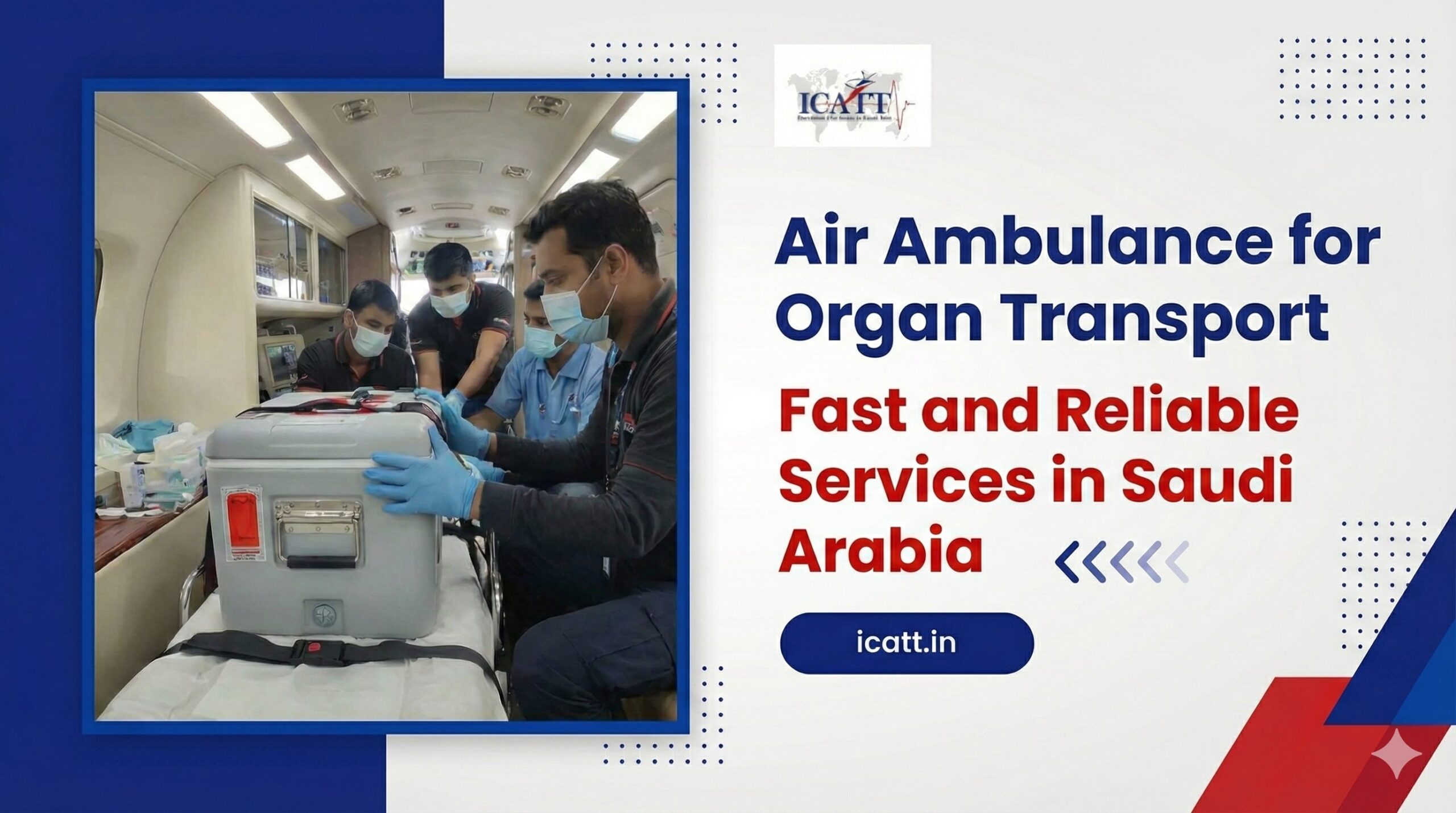
- Other cases can also include international repatriation, bringing patients home safely from other countries or transferring them abroad for treatment, organ transplant–related transfers, or during severe trauma or polytrauma cases
Note: In each of these scenarios, Air ambulance in Kuwait, Air ambulance in Bahrain, and Air ambulance in Oman play an important role, and the patient safety outcomes also depend on them.
What makes an air ambulance better?
Thousands of people lose their lives only because of delayed medical action. Ground ambulances sometimes lack experts or get stuck in traffic, which is again a hindrance in serious situations.
However, trained medical staff and state-of-the-art facilities are just a few points that make air ambulances better than ground ambulances. Moreover, air traffic is far better controlled than ground traffic, minimizing all the risks that can come with delayed action. Additionally, air ambulances eliminate geographical barriers, making severe cases like organ transplants managed with greater speed and precision.
Let’s get to know more about the benefits of air ambulances.
Wide coverage: Air ambulances can reach the remotest parts of Gulf region, breaking all geographical barriers. The goal is simple: to eliminate every constraint that hampers medical availability.
Better disaster management: Landslides, earthquakes, and other calamities can happen anywhere and anytime. Medical evacuation and safe treatment of the impacted population are a major challenge which is why air ambulances are the perfect solution here as well.
Advanced medical facilities: The air ambulances are equipped with the best medical aid and professionals. So, there is no risk of mishandling the patients or risk associated with delayed treatment.
Global reach: In some critical cases, patients might need immediate help from across the borders also. To reach foreign lands, air ambulances are instrumental. They give the benefit of reaching the best healthcare quickly and safely.
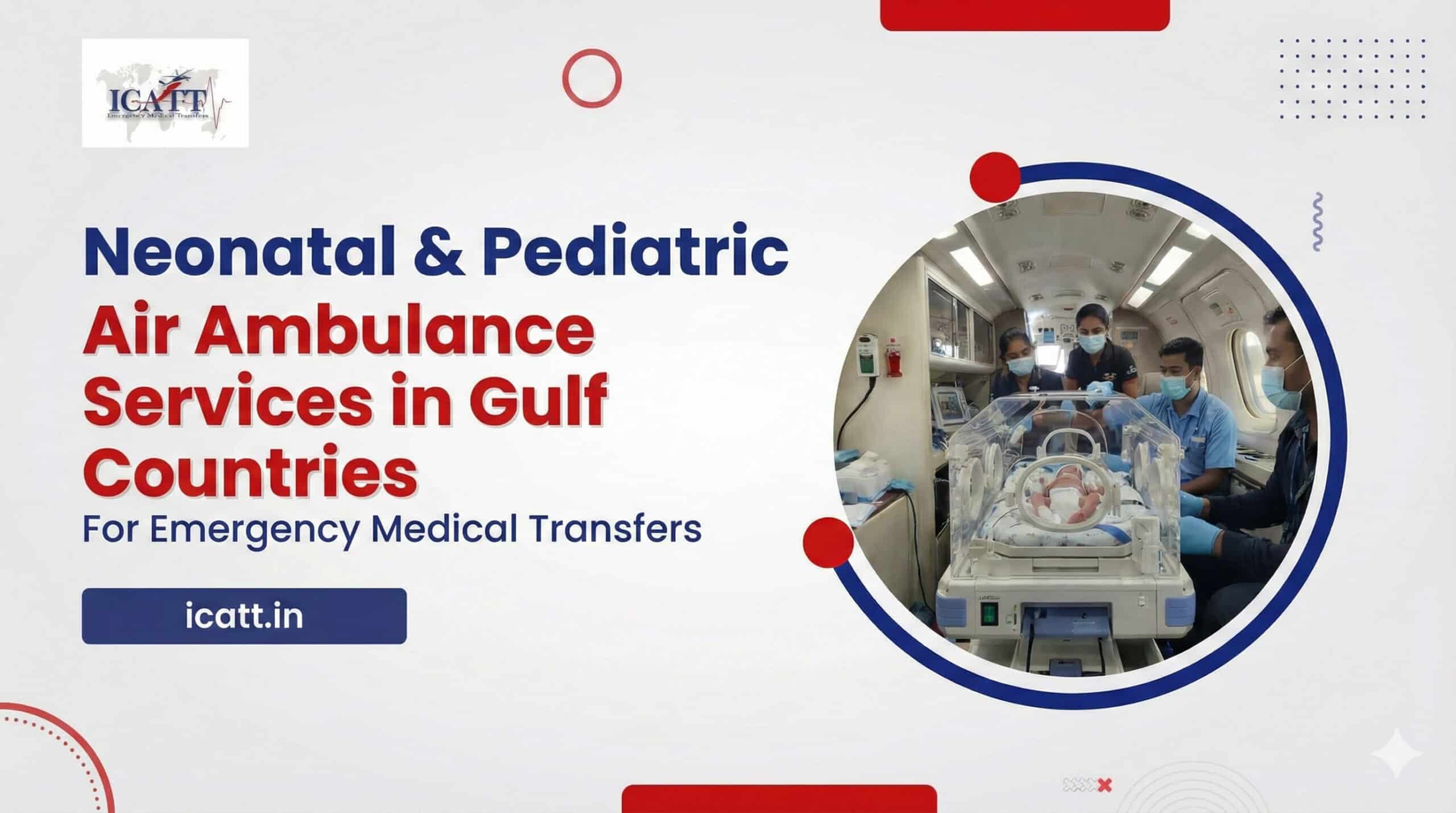
Neonatal aid: Air ambulances are not only for adults. Neonatal aid support is also another benefit. Children need critical care and quicker turnaround time for medical aid. The air ambulances have an advanced pediatrics team, and all the equipment is in place for handling these kinds of sensitive cases.
Country-Specific Air Ambulance Considerations: You Should Be Aware About
Air Ambulance in Kuwait
Kuwait in the past few years has established a well-coordinated modern healthcare system. However, there are times when certain emergencies require transfer to regional or international centers for specialized procedures.
Key considerations include:
- Quick urban response for emergencies
- Inter-hospital transfers (from clinics to advanced specialty centers)
- International evacuations for certain advanced treatment
- Coordination (paperwork and cross border arrangements) with government and private hospitals
Air ambulance in Kuwait supports both domestic and cross-border medical transfers, but it’s important that to ensuring continuity of care during critical transitions you rely on right service providers who have experience with it.
Air Ambulance in Bahrain
Bahrain’s compact geography allows for efficient ground response, but advanced or complex cases often require transfer to larger regional medical hubs.
Primary use cases include:
- Critical care transfers to specialized centers
- Emergency evacuations requiring advanced ICU support
- Medical repatriation for international patients
- Time-sensitive neurological and cardiac cases
Air ambulance in Bahrain ensures that patients are not limited by geography when minutes determine outcomes.
Air Ambulance in Oman
Oman’s diverse terrain which also includes mountainous regions and remote areas usually creates unique challenges for emergency response. This is not just statement but, in many cases, it is witnessed by people.
Key factors in driving concern include:
- Long distances between regional hospitals and tertiary centers
- Limited road access in certain regions
- Weather and terrain affecting ground transport times
- Emergency evacuations from remote locations
In these cases, Air ambulance in Oman becomes the safest and fastest option for critically ill patients.
How Emergency Air Ambulance Transfers Work: Step by Step
1. Initial Emergency Call and Medical Assessment
The process begins the moment there is a call from a hospital, physician, or family member. The team on the other side of the call quickly asks to share medical details which are then reviewed to assess urgency, stability, and transfer feasibility.
2. Clinical Review and Transport Planning
Critical care specialists evaluate the patient’s condition and determine:
- Suitability for air transfer
- Required medical equipment
- Appropriate aircraft type
- Composition of the medical team
3. Aircraft Selection and Preparation Accordingly
Depending on distance and medical complexity, teams decide whether there is need for fixed-wing aircraft or helicopter.
4. Smooth Ground and Airport Coordination
Ground ambulances are synchronized at both ends. Airport clearances, flight permissions, and hospital notifications are managed simultaneously.
5. Medical Management In-Flight
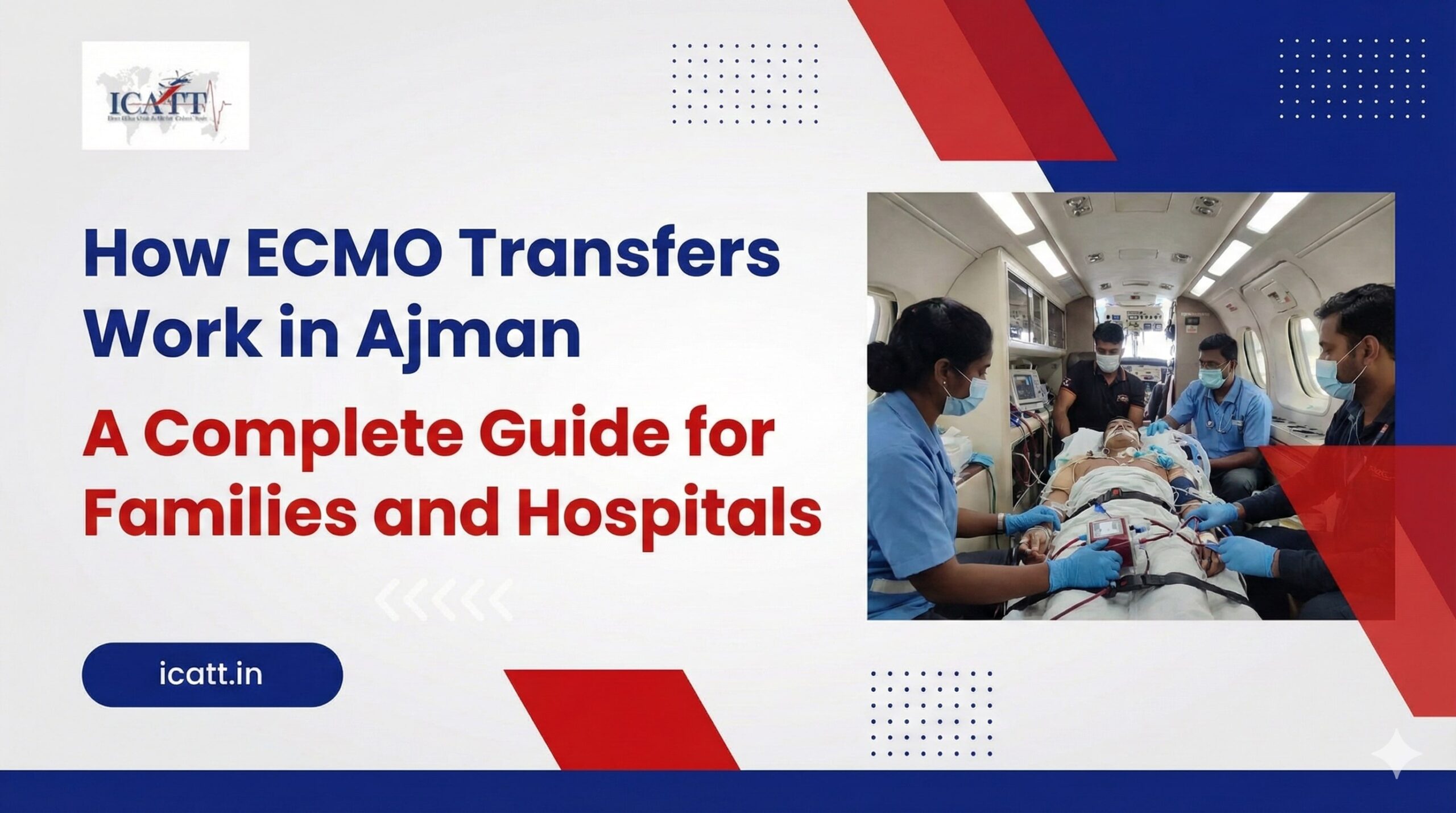
During the flight, the specialized aeromedical team ensure to provide continuous monitoring, medication administration, ventilation support, and emergency interventions if required.
6. Handover to Receiving Facility
Upon arrival, the patient is transferred directly to the receiving medical facility with complete clinical documentation (whatever is available and provided by family members) and verbal handover.
Aircraft and Equipment Standards
Air ambulances are equipped to replicate ICU conditions in flight.
Common Onboard Equipment
- Advanced ventilators
- Multi-parameter patient monitors
- Infusion and syringe pumps
- Defibrillators
- Oxygen and airway management systems
- Emergency medication kits
Why ICATT is Trusted Air Ambulance Service Partner Across the Gulf Region
At ICATT, we don’t just provide transport; we provide lifesaving critical care in motion. What makes us the right option is our dedication to ensuring the patient receives the appropriate and required care at the right time, no matter where they are.
What Sets ICATT Apart
- Experienced critical care and aeromedical teams
- Rapid activation for emergency missions
- ICU-configured aircraft for complex cases
- Smooth end-to-end coordination across borders (if required)
- Strict adherence to international medical and aviation standards because we never settle for profits over life.
When Distance Should Never Decide Survival
We understand that medical emergencies do not respect borders, geography, or preparedness. However, what can be made sure is the outcome, how effectively systems respond, and when time is limited and stakes are high how actively you respond to save a life.
Across the Gulf ICATT team ensure that, Air ambulance in Kuwait, Air ambulance in Bahrain, and Air ambulance in Oman is on time so that critically ill patients are never confined by location. Through proper planning, advanced medical care, and rapid execution, we transfer each emergency Patient with a hope his/her life can be saved.
ICATT remains committed to supporting hospitals and families during these defining moments, so for more details you can contact us