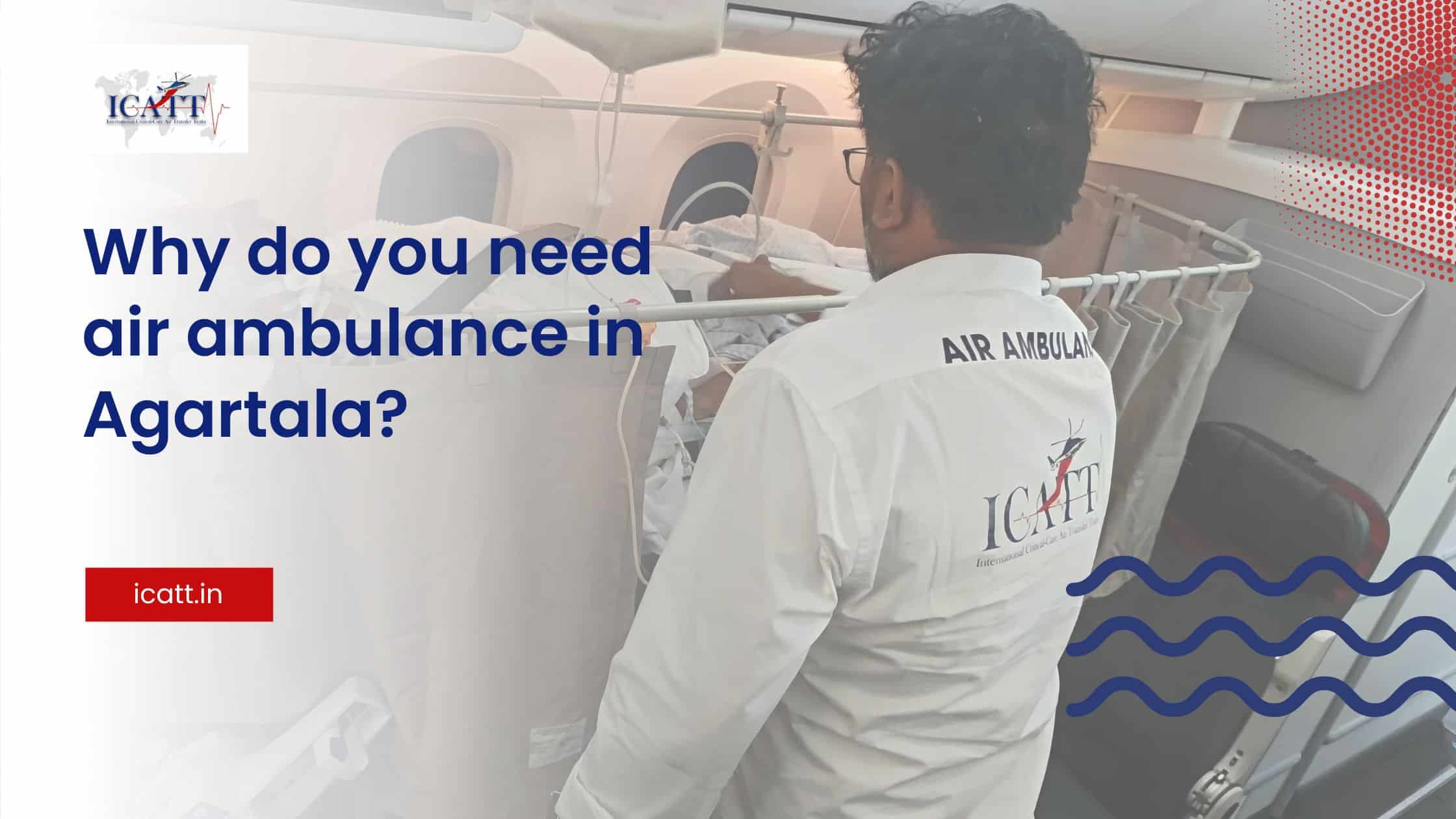
How do you move a critical patient to the right hospital when every minute carries medical value? Air ambulance services in Indore address this need through rapid patient transfer supported by onboard medical care and trained professionals. These services help bridge the gap between emergencies and advanced treatment. They especially help in cases where road travel takes too long or the patient needs close monitoring throughout the journey. Read this blog to understand air ambulance services in Indore, their types, benefits, and cost.
What Are Air Ambulance Services in Indore?
Air ambulance services in Indore refer to medically equipped aircraft used to transfer critically ill or injured patients quickly and safely between locations. They provide fast medical evacuation across Madhya Pradesh. These services carry trained doctors and paramedics, while onboard systems support continuous care during transit. They help patients reach hospitals faster when road transport is too slow or medically unsuitable.
Benefits of Air Ambulance Services in Indore
Here are the key benefits of Air Ambulance Services in Indore:
- Faster access to urgent medical care
Time plays a major role in emergency treatment. Air ambulances reduce travel time and help patients reach advanced hospitals sooner than road transport in many long-distance cases. This matters in trauma care and also in cardiac emergencies, where early intervention can affect recovery.
- Access to remote and difficult locations
Some patients need transfer from places where road movement is slow or medically unsafe. Air ambulance support helps bridge that gap and connects remote areas with higher care centers. This makes the service especially useful for patients who need urgent referral but cannot afford long travel delays.
- Safer transfer for critical patients
Serious medical cases often need more than transport. They need a controlled setting where the patient’s condition is watched closely during the full journey. Air ambulance transfer supports that need and reduces the strain that long road travel can place on unstable patients. This is one reason Air Ambulance Services in Indore remain important for high-risk movement.
- Better coordination between hospitals
A good air ambulance transfer supports smoother communication between the current hospital and the receiving center. The transfer then becomes part of a larger treatment plan rather than a separate transport task. This continuity improves patient handling and reduces confusion during admission at the destination hospital.
- Useful for specialized treatment needs
Many patients need transfer because the required treatment is not available at the present hospital. Some need cardiac procedures. Others need neurosurgical care. Some require transplant-related support. Air ambulance services help such patients reach the right facility in less time, which improves the overall care pathway.
- Round-the-clock emergency availability
Medical emergencies can happen at any hour, so service availability matters. Air ambulances usually operate around the clock, which helps families act quickly during sudden clinical deterioration. This immediate access adds practical value, especially in cases where delay can limit treatment options.
- Reduced stress for families during emergencies
A medical transfer often feels overwhelming for families because decisions must happen quickly under pressure. Professional coordination makes that process clearer and easier to manage. Families know who handles the transfer, how the patient moves, and what medical support stays active during the journey. That clarity also helps them better understand the value behind Air Ambulance costs in Indore during critical situations.
Air Ambulance Cost in Indore
Here is the Air Ambulance price in Indore based on distance and medical requirements:
| Distance Type | Cost Range |
| Short Distance | ₹2.5-₹4 lakh |
| Medium Distance | ₹4-₹6 lakh |
| Long Distance | ₹6-₹8 lakh |
| International | ₹8 lakh+ |
Note: Information and price reflect publicly available sources at the time of publication and may change
Step-by-Step Guide to Book Air Ambulance Services in Indore
Here is a step-by-step guide to booking Air Ambulance Services in Indore:
Step 1: Make the first call
The process begins with a direct call to the provider. You share the patient’s current condition and present location, which helps the team understand the urgency of the transfer. This first conversation also helps families understand whether Air Ambulance Services in Indore are medically suitable for the case.
A good provider usually asks for the hospital name and the destination city during this stage. The team may also ask whether the patient is on oxygen support or requires close monitoring. These details shape the next steps and help the provider respond with clarity rather than guesswork.
Step 2: Share the patient’s medical records
After the first discussion, the provider asks for medical reports and the treating doctor’s summary. These records help the onboard team understand the patient’s stability and current treatment plan. Clear records also reduce confusion during handover between hospitals.
The review usually covers diagnosis and present support needs. It may also cover whether the patient can travel on a regular stretcher or needs ICU-level care. This stage matters because the safety of Air Ambulance in Indore depends on proper medical planning before the flight begins.
Step 3: Get the medical review and transfer plan
Once the documents are reviewed, the provider shares a transfer plan based on the patient’s condition. This plan explains the type of aircraft and the level of care that will remain active during transit. Families also get a clearer sense of how the transfer will happen from pickup to hospital admission.
The medical review helps answer practical questions as well. It explains how much support the patient needs in the air and how the team will manage the journey. That clarity helps families make decisions with more confidence during a stressful time.
Step 4: Receive the quotation and confirm the booking
After the case review, the provider issues the cost estimate. The quotation usually reflects travel distance and the level of medical support required during the transfer. A patient who needs advanced monitoring or ventilator support may require a different setup, which can affect the total cost.
Approval of the quotation moves the booking forward. The service provider then starts operational coordination with the flight team and both hospitals. This step turns the discussion into an active transfer plan and gives the family a clear path ahead.
Step 5: Coordinate with the current hospital and the receiving hospital
Hospital coordination plays a major role in a smooth transfer. The current hospital must prepare the patient for discharge, and the receiving hospital must be ready for admission without delay. Proper communication between both facilities reduces waiting time and supports continuity of treatment.
This stage also helps avoid gaps in care. Doctors at both ends can exchange the patient’s status and the treatment requirements before the journey begins. That coordination gives Air Ambulance Services in Indore more clinical value because the transfer becomes part of a larger care process rather than a stand-alone transport event.
Step 6: Arrange ground ambulance support
Air transfer does not begin at the airport. The patient still needs safe movement from the current hospital or home to the aircraft. Ground ambulance support covers that first segment and also covers the final segment after landing.
This part of the process matters because critical patients cannot manage rough or delayed transport before the flight. A coordinated road transfer keeps the patient under supervision and connects both ends of the journey in a practical way. Families should always confirm whether ground ambulance support is part of the package or billed separately.
Step 7: Prepare the patient before departure
The patient is prepared for transfer before the aircraft leaves. The medical team checks current stability and confirms the support required during the journey. Medication and monitoring equipment remain ready before movement begins, which helps reduce avoidable risk during transit.
Families also benefit from this step because they receive a clearer idea of timing and transfer readiness. A well-prepared patient usually has a smoother transition from hospital bed to aircraft stretcher. That preparation brings order to a moment that often feels rushed and uncertain.
Step 8: Begin the air transfer with onboard medical care
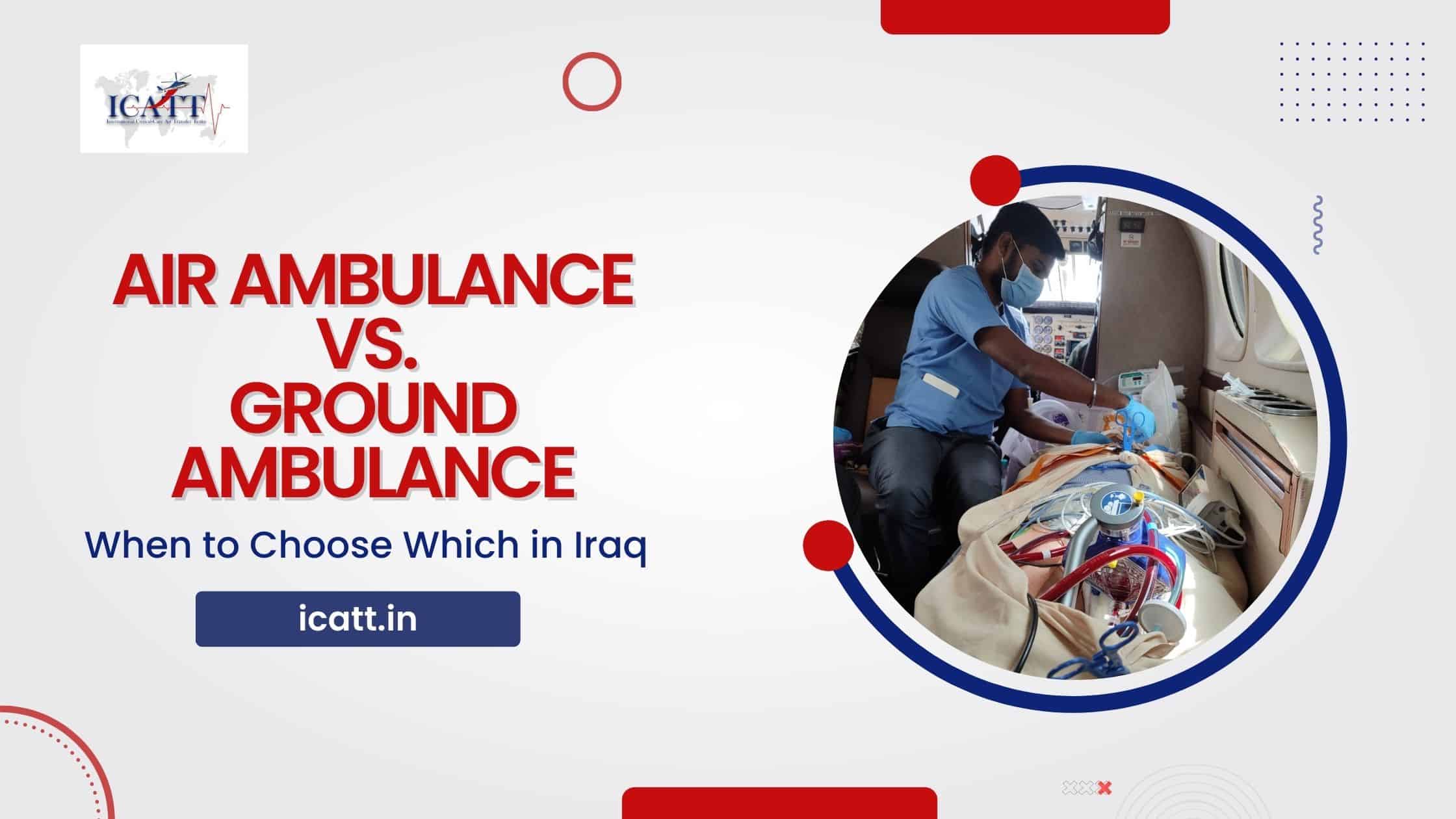
Once the patient is shifted to the aircraft, the onboard team takes over active monitoring. Care continues throughout the flight based on the patient’s condition and the treatment plan already reviewed. This stage is where air ambulance support becomes more than transport because medical supervision remains constant in the air.
Serious cases often need close observation during the full journey. The team watches for changes and responds immediately if the patient’s condition shifts. Continuous care in transit is one of the main reasons families choose air ambulance support over long-distance road transfer.
Step 9: Complete the hospital handover
The process ends only after the patient reaches the destination hospital and the receiving team takes charge. A proper handover includes the patient’s current status and the treatment given during the journey. This step keeps care continuous and reduces the chance of confusion after arrival.
A smooth handover matters because the goal is not only a fast transfer. The goal is safe transfer with treatment continuity at every point. That is what makes a well-managed booking process valuable for patients and families during a medical emergency.
Conclusion
Air ambulance Indore play a critical role in timely patient transfer, where delay can affect treatment outcomes. They support faster access to advanced care and maintain medical supervision during transit. Choosing a reliable provider matters in such situations. ICATT offers structured medical transfer with trained teams and coordinated support. Explore ICATT to access professional air ambulance services when timely care becomes essential. Connect with us to know more.