Modernization is evident in many aspects of our lives, from the convenience of being able to order clothing online and receive it within 30 minutes to the ability to have groceries delivered within 10 minutes. Technology has changed the way many different sectors work, and it has not left out health care, specifically when it comes to dealing with emergencies that require immediate attention. A lot of treatment plans depend on the medical transfer of the patient, and this requires rapid decision-making, seamless care coordination, and timely access to specialized medical facilities.
Abu Dhabi has become a center for the world economy. It is an ideal location because it’s the global hub and home to a large expatriate population, advanced hospitals, thriving corporate sectors, and high-volume visitors. Also, there are many cases transferred here for emergency medical services. However, it’s not only about transfer between Abu Dhabi’s major hospitals but also across the UAE, the GCC region, South Asia, Europe, or home countries of patients. This is because in many situations, road ambulances cannot provide the exact speed, ICU-level care, or international mobility that is very important/needed to preserve organ function, stabilize critical cases, or prevent clinical deterioration.
This is where Air Ambulance Abu Dhabi services play a crucial role. Air transfers are a lifesaver because from immediate medical evacuations to cross-border repatriation, aeromedical transfers ensure continuous ICU-level care during every minute of the journey.
Why Abu Dhabi Requires World-Class Air Medical Transport
Abu Dhabi is not only a place for tourism, but it’s also home to the world’s leading healthcare facilities, such as:
- Sheikh Shakhbout Medical City (SSMC)
- Cleveland Clinic Abu Dhabi
- Sheikh Khalifa Medical City
- Burjeel Medical City
- Mediclinic Hospitals
- NMC Speciality Hospitals
- LLH and VPS Group Hospitals
Despite the extensive medical ecosystem, certain specialties, capabilities, or international referrals require movement to:
- Saudi Arabia
- Oman
- Qatar
- Bahrain
- Kuwait
- India
- Singapore
- Germany
- UK
- USA
Additionally, patients with specialized requirements such as ECMO transport, neonatal transfers, multi-trauma evacuation, or organ transplant mobilization benefit significantly from air medical support because the clinical risk during long road transfers can be high.
With a large population, Abu Dhabi also sees frequent international repatriation cases for patients who need:
- Medical evacuation to home countries
- Long-range transfers on ventilator support
- High-dependency flight movement
- Commercial airline medical escort services
- Repatriation of mortal remains
A dedicated air ambulance ensures that these transfers follow global medical, aviation, and safety standards. Moreover, the team ensures comfortable transfer from the sending hospital, through airport and in-flight movement, all the way to the receiving medical center.
What an Air Ambulance in Abu Dhabi Includes
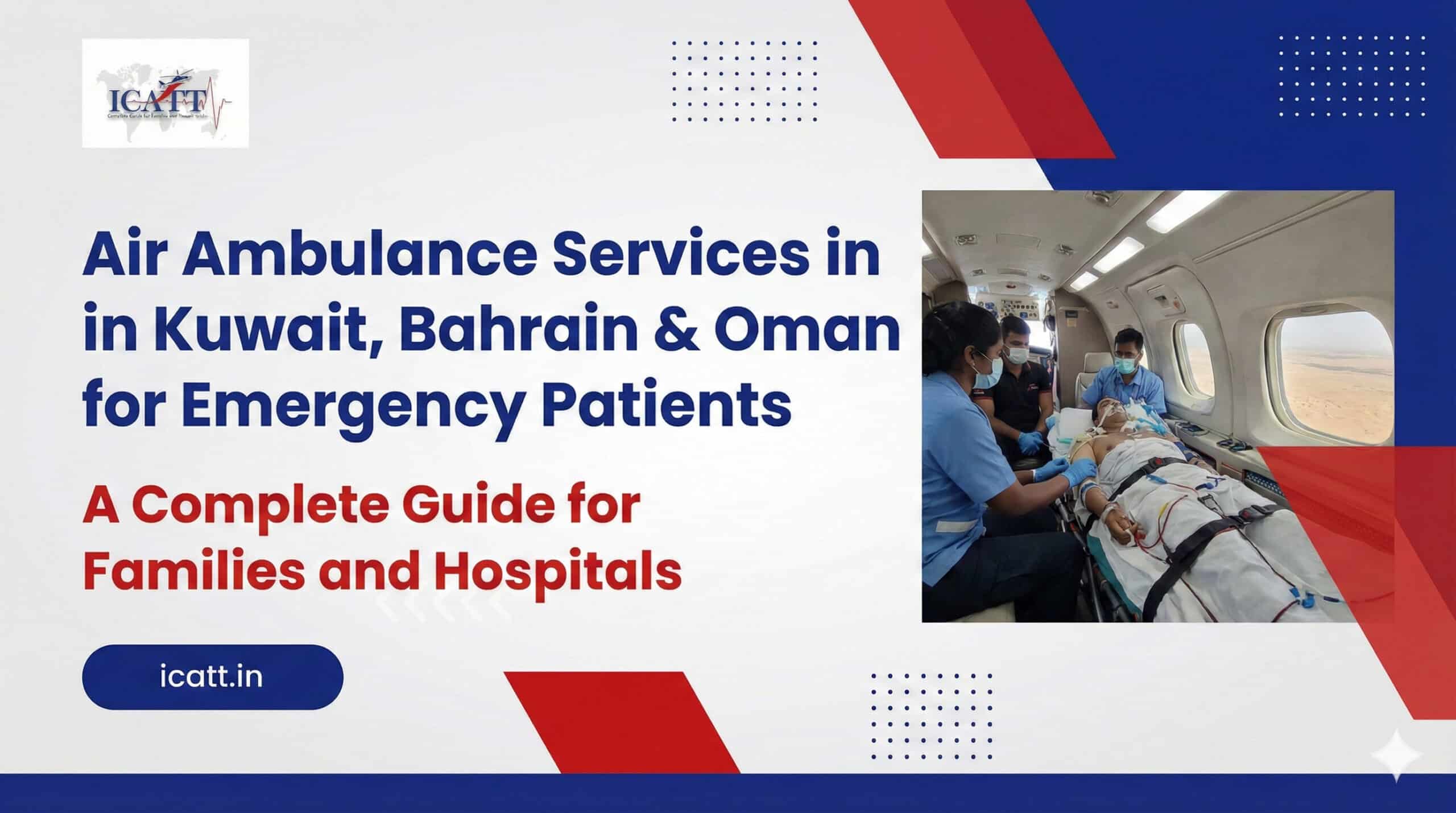
Air ambulances are fully equipped ICU units in the air. They are designed to work as hospital-level monitoring and intervention capabilities.
ICU-Grade Equipment Onboard
Each medical flight typically carries:
- Advanced transport ventilators
- Multiparameter cardiac monitors
- Syringe & infusion pump systems
- Suction devices
- Defibrillators
- Trauma kits
- Oxygen supply with backups
- Emergency medications
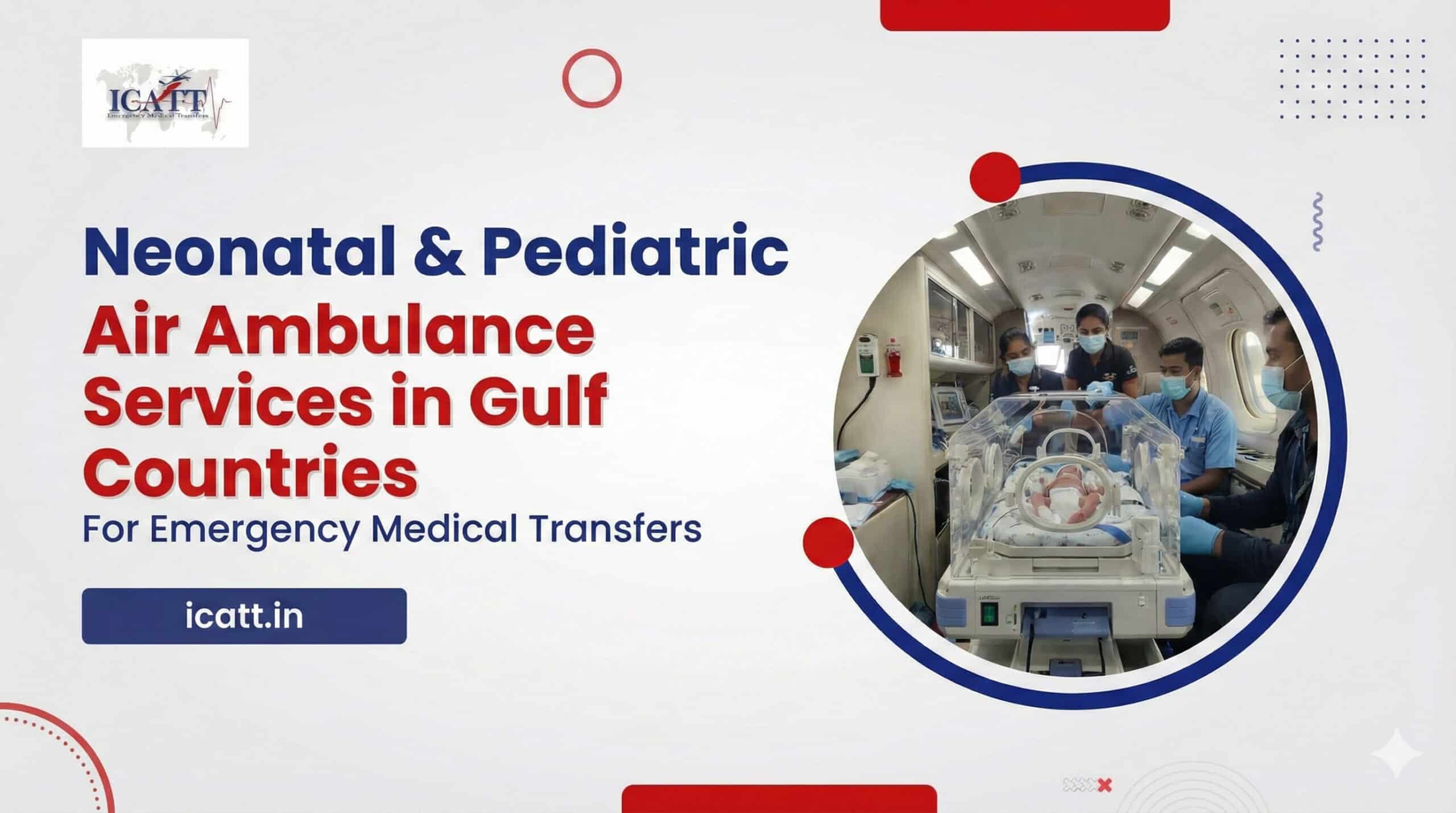
- Neonatal incubators (when required)
- Portable ultrasound (case dependent)
- Airway management tools
- Isolation units (for infectious disease management when permitted)
This ensures that patients remain stable even during long-haul flights.
Aeromedical Crew Specialization
Flights include a specialized aeromedical team such as:
- Critical care doctors
- Critical care nurses
- Paramedics trained in air evacuation
- Neonatal/pediatric specialists
- ECMO specialists (when needed)
- Medical operations coordinators
This mix is determined after reviewing the patient’s condition and the treating doctor’s recommendations.
How an Air Ambulance Transfer Works in Emergencies: From Takeoff to Touchdown
A successful air medical evacuation depends on precise coordination. Below is a structured process followed by ICATT.
- Emergency Call & Initial Clinical Triage
When a call is received on the 24/7 helpline, essential information is gathered:
- Patient history & current condition
- Current hospital and medical reports
- Destination hospital preference
- Treating doctor’s summary
- Any special requirements such as ventilation, sedation, or isolation
A preliminary triage helps determine urgency, feasibility, and aircraft type.
- Detailed Medical Evaluation
A specialist critical care team examines:
- Vitals
- Ventilator settings
- Neurological status
- Circulatory stability
- Blood gases and labs
- Risk of altitude physiology impact
- Need for advanced equipment such as ECMO or NICU support
Only after the travel-fit assessment is completed does the team clear the patient for air transfer.
- Type of Aircraft Selection
Depending on the distance, clinical requirement, and aviation logistics:
Helicopters
- Best for short-range, urgent transfers
- Ideal when a hospital helipad is available
Fixed-Wing Aircraft
Used for the majority of transfers, which includes:
- Light Jets (regional transfers)
- Mid-size Jets
- Long-Range Jets
Fixed-wing medical flights are generally safer for long distances.
- Bed-to-Bed Coordination
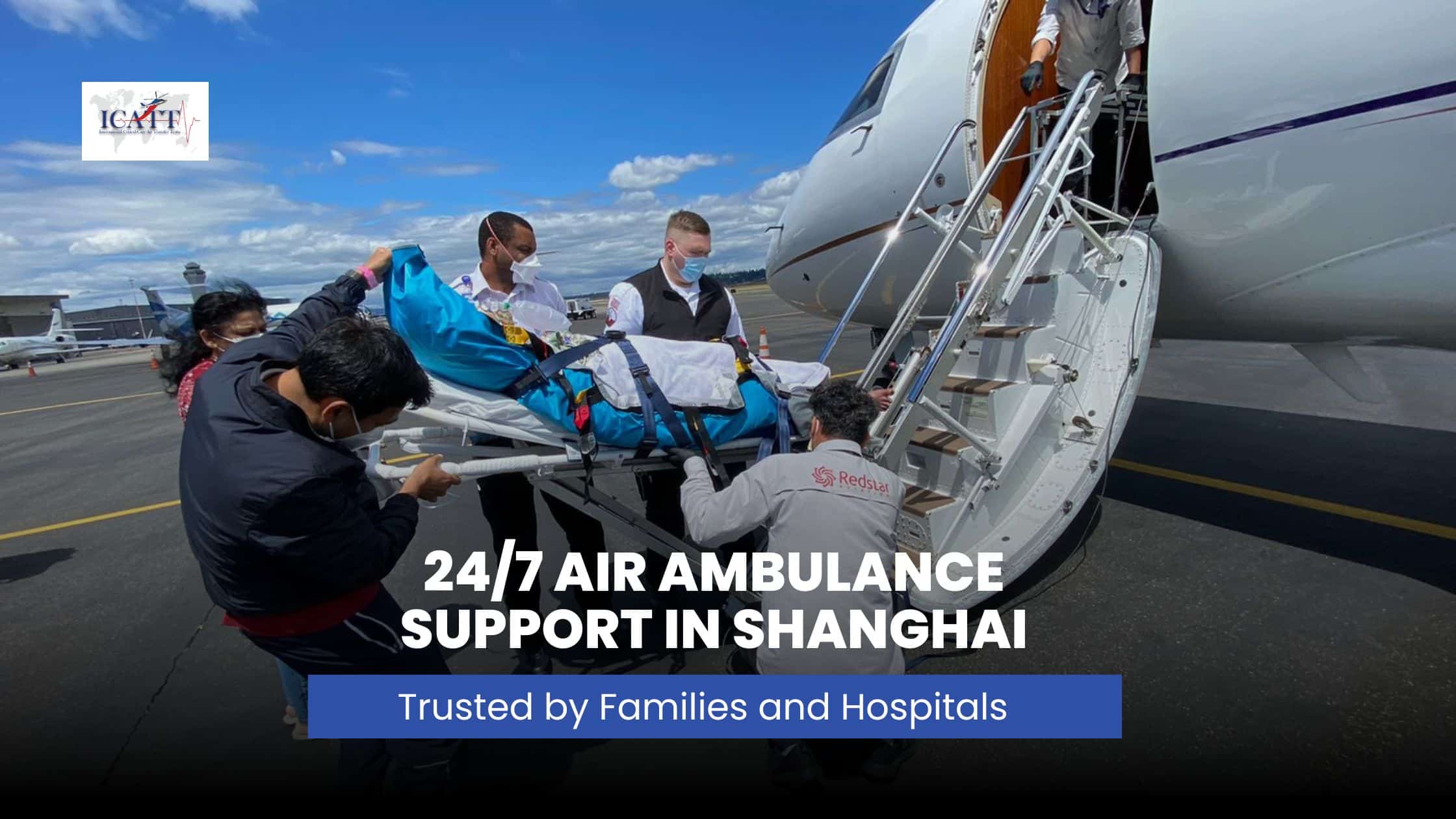
A key advantage of professional air ambulance services is the bed-to-bed approach, where the clinical chain remains unbroken.
What bed-to-bed coordination includes:
- ICU-to-ambulance transfer
- Ground ambulance at both ends
- Airport medical coordination
- Immigration & customs clearance (international flights)
- Pre-flight preparation & cabin setup
- Coordination with receiving medical team
- Medical documentation handling
This ensures zero downtime and seamless continuity of care.
- Ground Ambulance Integration
At both Abu Dhabi and the destination:
- Fully equipped Advanced Life Support (ALS) ambulances are used
- Patient movement is supervised by the air medical team
- Real-time vitals are shared
- All equipment remains connected
- Critical drugs administered en route if required
- In-Flight ICU-Level Care
Once airborne, the medical team continuously monitors the patient using:
- Ventilator data
- Cardiac readings
- Blood pressure
- Oxygen saturation
- Neurological status
- Infusion rates
- Real-time event documentation
Interventions during the flight may include:
- Airway management
- Pain control
- Sedation
- Blood pressure stabilization
- Anti-arrhythmic management
- Trauma stabilization
- Seizure control
The team is trained to manage high-altitude physiological impacts and sudden clinical fluctuations.
- Clinical Handover at Destination
Upon landing, the following takes place:
- Smooth patient transfers to the waiting ambulance
- Movement to the receiving ICU or emergency department
- Complete clinical documentation handover
- Verbal briefing between ICATT aeromedical team and receiving specialists
- Summary of medications, interventions, and vital trends
This ensures no detail is missing during transition.
When Air Ambulance Support is Recommended
Air ambulance transport becomes an essential thing in the following situations:
- Time-Critical Emergencies
- Stroke
- Cardiac emergencies
- Major trauma
- Internal bleeding
- Organ failure requiring specialized treatment
- Long-Distance Transfers
Anywhere between Abu Dhabi and:
- India
- Europe
- Southeast Asia
- Africa
- Other
- Ventilator-Dependent or High-Risk Cases
- ARDS
- Severe respiratory distress
- Post-surgery instability
- ICU-dependent patients
- Neonatal & Pediatric Transfers
Specialized incubators and neonatal teams ensure safe movement.
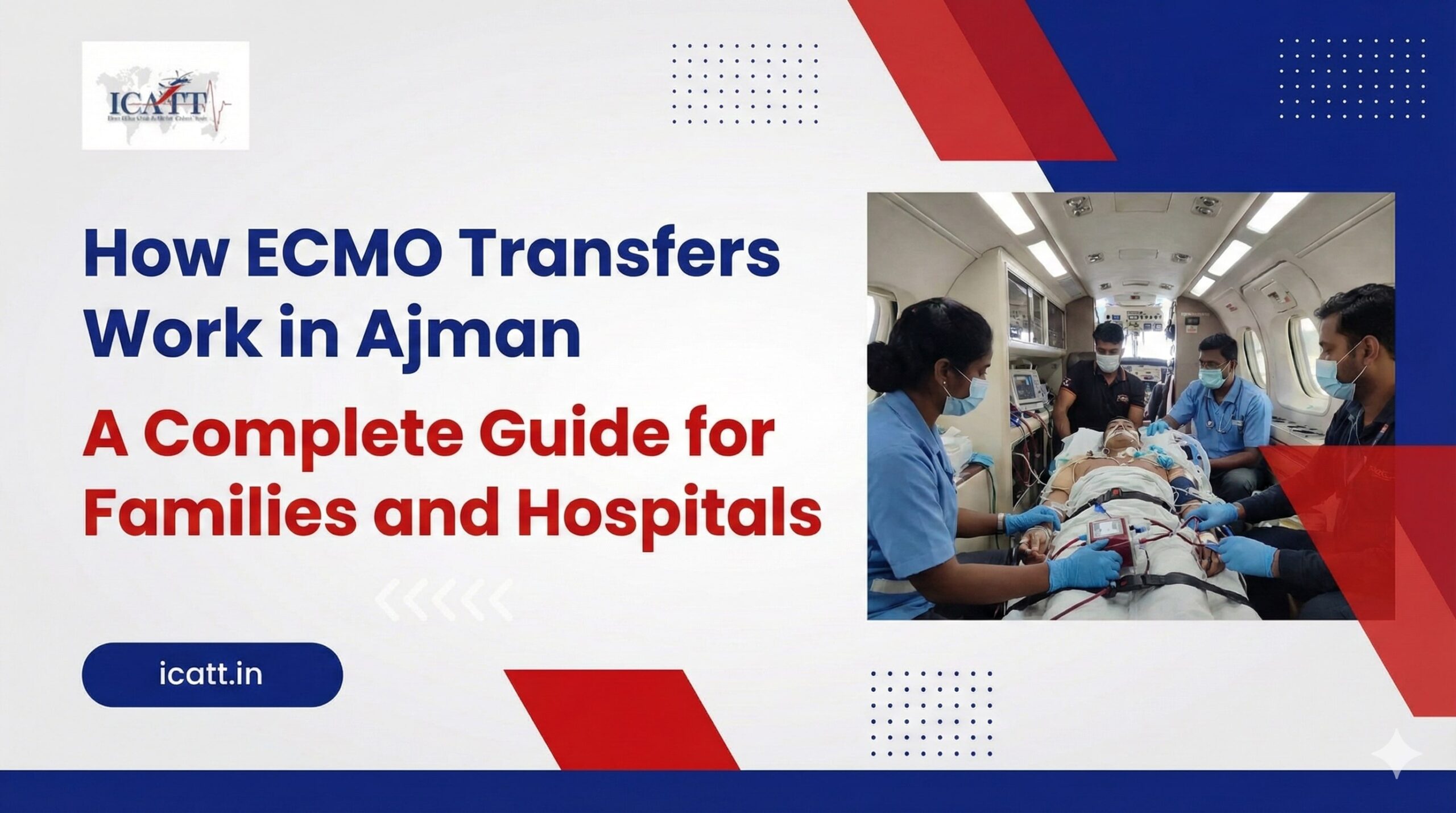
- ECMO Transfers
Highly specialized and require expert aeromedical teams.
- International Repatriation
For residents, visitors, and expatriates who require:
- Medical return to home country
- Specialist care abroad
- Mortal remains repatriation
- Medical Escort Services
In cases where a full air ambulance is not required, commercial airline medical escorts can support:
- Wheelchair-bound patients
- Oxygen support cases
- Post-surgical movement
- Stable ventilated cases (when approved by airline medical board)
Ground Ambulance vs Air Ambulance: Choosing the Right Option
A simplified guide to decision-making:
| Situation | Preferred Mode |
| Time-sensitive emergency | Air Ambulance |
| Long-distance travel | Air Ambulance |
| Ventilator or ICU-dependent patient | Air Ambulance |
| Stable condition, short distance | Ground Ambulance |
| Corporate medical escort | Commercial medical escort |
| Cross-border movement | Air Ambulance |
What Determines the Cost of Air Ambulance in Abu Dhabi
Air ambulance pricing is influenced by several factors:
- Aircraft Type
- Helicopter (short emergency lifts)
- Fixed-wing jets for longer transfers
- Distance & Flight Duration
Fuel, pilot hours, and airway usage charges. - Medical Team Required
- ICU doctor
- Paramedics
- ECMO specialists
- Neonatal team
- Equipment Onboard
More advanced equipment = higher cost. - Ground Ambulance Charges
At origin and destination. - International Documentation & Clearances
Visa, permits, airport medical approvals. - Urgency Level
Emergency activation costs differ from pre-planned transfers.
Transparent Quotation
Professional services like the ones that ICATT provides:- Detailed cost breakup
- Inclusions and exclusions
- Written contracts
- Assurance of no hidden extras
International Repatriation From Abu Dhabi
Given the city’s large expatriate population, repatriation cases are common.
Types of Repatriation:
- Medical Evacuation
- Medical Return to Home Country
- Commercial Airline Medical Escort
- Full Air Ambulance ICU Transfer
- Mortal Remains Repatriation
Repatriation Process Includes:
- Medical assessment
- Documentation handling
- Embassy coordination
- Airline approvals
- Ground teams on both sides
- Receiving hospital preparation
- Continuous family updates
This ensures a dignified and medically safe transfer.
Why ICATT Is Trusted for Air Ambulance Abu Dhabi
ICATT is globally recognized for its clinically governed aeromedical operations, advanced medical capabilities, and international coordination experience.
Core Strengths
- Highly specialized aeromedical doctors
- Trained paramedics and critical care nurses
- Capability for ECMO, neonatal, and high-risk adult transfers
- Strong global network with hospitals across GCC, Asia, Europe, and Africa
- Bed-to-bed movement with zero clinical break
- Long-range aircraft for intercontinental transfers
- Compliance with international aviation and medical standards
Global Experience
ICATT manages frequent operations across:
- UAE
- Oman
- Saudi Arabia
- India
- Europe
- Southeast Asia
- Africa
This experience streamlines documentation, customs, and aviation procedures.
24/7 Global Operations Desk
Available round the clock for:
- Emergency activations
- Case assessment
- Cost estimates
- Hospital coordination
- Family communication
Air ambulance services in Abu Dhabi are one of the most critical components of emergency medical care. It is especially required when patients need to be transferred quickly, long-distance, or cross-border. With ICATT you get specialized medical teams, ICU-grade equipment, and seamless hospital coordination, which even makes the most complex medical case transfers seamless.